31
What Do They Call Thongs in Canada? A Guide to Footwear Slang
Global Footwear Slang Translator
Select a country below to see what locals call open-toed sandals with a Y-strap.
Ireland & United Kingdom
Standard usage in Ireland and the UK. Note that this can cause confusion in North America or Australia where it may also refer to underwear.
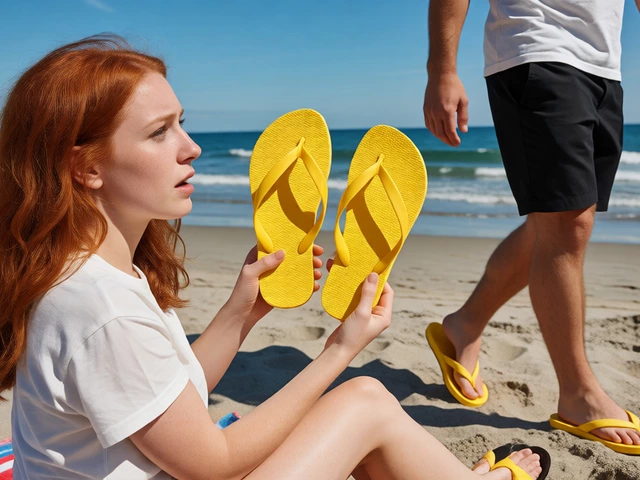
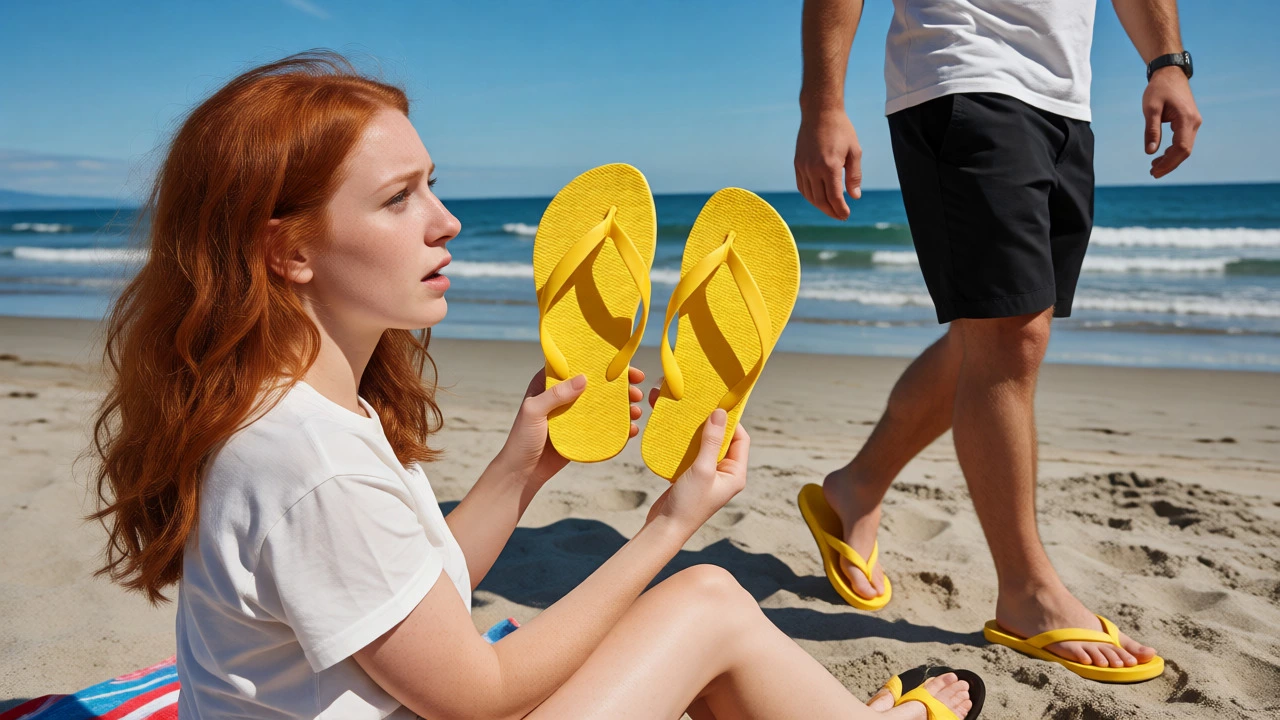
If you’re from Ireland and you’ve ever tried to buy a pair of thongs in North America, you might have gotten some very strange looks. Here in Galway, if I tell my friend I’m wearing thongs, she pictures me in comfortable beachwear or lounging around the house. But if I say that same word to someone in Toronto or Vancouver, they’re likely imagining something entirely different-usually involving underwear.
This linguistic mix-up isn’t just an Irish problem. It’s a global one. The word "thong" is a classic example of how geography shapes language. While we use it for our favorite summer sandals, other English-speaking countries have adopted completely different terms for the exact same item of footwear. So, what do they call thongs in Canada? And why does this confusion exist? Let’s break down the map of footwear slang so you never have an awkward shopping trip again.
The Canadian Answer: Flip Flops
In Canada, the standard term for what we call thongs is flip flops. This is the dominant term across the country, from the streets of Montreal to the beaches of British Columbia. If you walk into a Canadian Tire or a local shoe store in Calgary and ask for "thongs," you’ll almost certainly be directed toward the lingerie section.
Why "flip flop"? It’s onomatopoeic. The name comes from the sound the rubber sole makes against your heel as you walk. *Flip-flop, flip-flop.* It’s descriptive, practical, and universally understood in North America. Unlike the word "thong," which has dual meanings (underwear and footwear) in many places, "flip flop" has no such ambiguity in Canada. It refers strictly to the open-toed sandal with a Y-shaped strap.
Canadians are generally aware of the international variations, but "flip flop" remains their default. You might occasionally hear "sandals," but that usually implies something more structured, like a leather slide or a gladiator style. For the basic rubber-soled beach shoe, it’s always flip flops.
Global Variations: Where "Thong" Means Something Else
The confusion doesn’t stop at the Atlantic Ocean. Different English-speaking regions have carved out their own terminology, often based on historical trade routes, colonial influences, or local pop culture. Understanding these differences helps you navigate not just Canada, but the wider world.
| Region | Common Term | Notes |
|---|---|---|
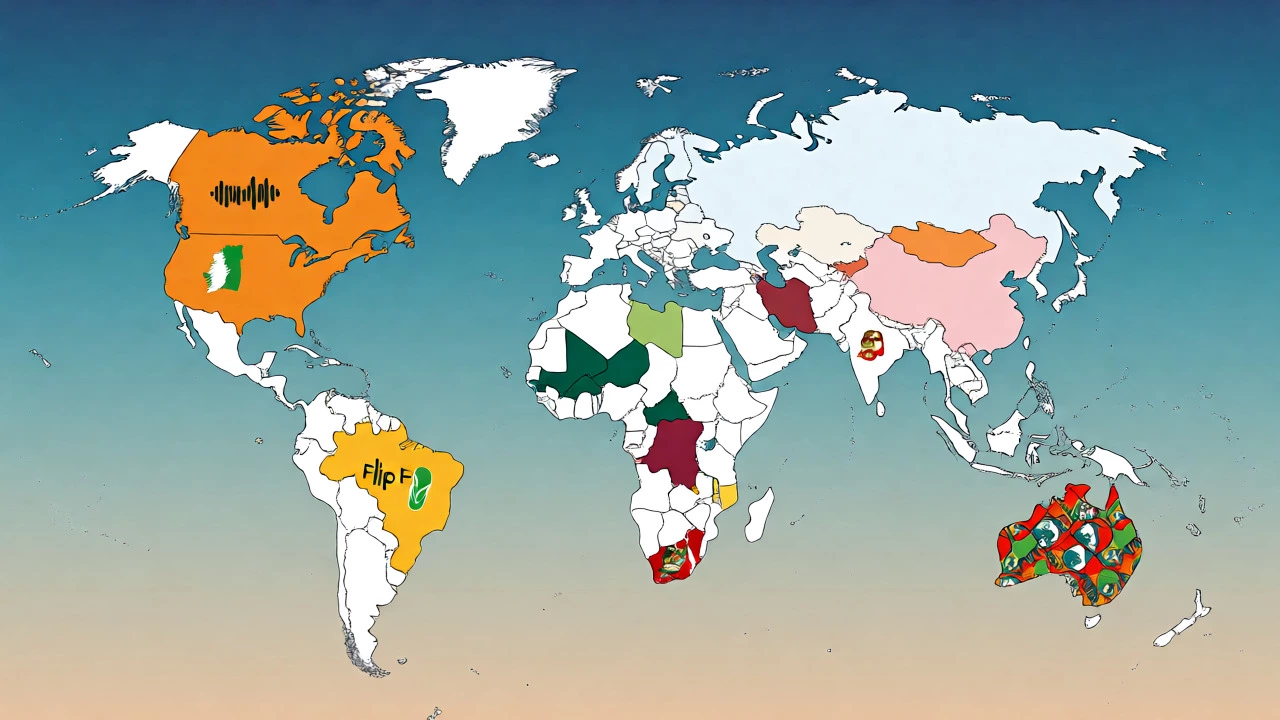
| Ireland & UK | Thongs | Standard usage. Can cause confusion in North America/Australia regarding underwear context. |
| Canada & USA | Flip Flops | Onomatopoeic. Universally understood as footwear. |
| Australia | Thongs | Same as Ireland. However, "thong" also commonly refers to G-strings here, leading to internal ambiguity. |
| New Zealand | Jandals | A portmanteau of "Japanese sandals." Unique to NZ. |
| South Africa | Plakkies | Derived from Afrikaans. Also used: "slippers" (though this can mean indoor shoes). |
| India | Chappals / Slides | "Chappal" is traditional; "slides" is common in urban retail. |
Notice New Zealand’s unique term: jandals. This word is a contraction of "Japanese sandals," reflecting the historical influence of Japanese manufacturing and design in the Pacific region. If you’re backpacking through Auckland, don’t ask for flip flops-you might get a blank stare. Ask for jandals, and you’ll fit right in.
The Australian Nuance
Australia is interesting because it shares our term-"thongs"-but carries the same risk of double meaning as we do in Ireland. In Sydney or Melbourne, if you say you lost your thongs, people know you mean your beach shoes. But if you’re in a department store changing room, saying "I need a new thong" could definitely raise eyebrows depending on the context.
Australians have largely embraced the term without too much controversy, partly because the cultural norm of casual beachwear is so strong. However, when selling internationally, Australian brands often switch to "flip flops" for their US and Canadian markets to avoid confusion. It’s a smart business move that highlights just how fractured our shared language really is.
Irish Context: Why We Stick With "Thongs"
Back home in Ireland, the word "thong" has been entrenched for decades. Walk into any Penneys or TK Maxx in Dublin or Cork during July, and the signage will clearly say "Thongs." It’s part of our everyday vocabulary. We don’t typically think about the underwear association unless we’re specifically discussing fashion undergarments.
This linguistic comfort zone is why travel can sometimes lead to minor embarrassments. I remember a colleague from Limerick who tried to explain to her American host family that she’d left her "thongs" by the pool. The look of polite confusion was priceless. Once she clarified she meant "the rubber sandals," everyone laughed. It’s a harmless mistake, but one that’s easy to avoid once you know the regional rules.
For Irish expats moving to Canada, adapting to "flip flops" is quick. It’s one of those small adjustments that signals you’re paying attention to local norms. Plus, "flip flop" is fun to say. It’s hard to take offense to a word that sounds like the noise your feet make on wet pavement.
Other Regional Slang Worth Knowing
Beyond the major English-speaking nations, there are colorful local terms that add flavor to the global conversation about footwear.
- Zorbas: Used in Greece and Cyprus. Derived from the famous film *Zorba the Greek*, where the character famously wears them. It’s a playful nod to national identity.
- Slippers: In parts of the Caribbean and South Africa, "slippers" can refer to outdoor sandals, though this overlaps heavily with indoor footwear. In Ireland, if you wear "slippers" outside, people assume you forgot your shoes.
- Bubble Slides: In India and parts of Southeast Asia, thick-soled versions are often called slides or bubble slippers, distinguishing them from thin-soled chappals.
These variations show how deeply culture impacts even the most mundane objects. A simple piece of rubber and foam becomes a marker of identity, history, and geography.
Practical Tips for Travelers
If you’re planning a trip from Ireland to Canada, or anywhere else, here’s how to handle the footwear talk:
- Use Visuals: When in doubt, point. Showing a picture or holding up the shoe eliminates all ambiguity.
- Default to "Flip Flops" in North America: Whether you’re in Toronto, New York, or Los Angeles, this is the safe bet. It’s clear, concise, and correct.
- Learn Local Terms Before Arrival: Heading to New Zealand? Study up on jandals. Going to South Africa? Brush up on plakkies. It shows respect and curiosity.
- Context Matters: In retail settings, signs are usually clear. Look for images rather than relying solely on text labels if you’re unsure.
Remember, language evolves. As globalization increases, terms like "flip flop" are becoming more recognized worldwide, even in places that traditionally used "thongs." Younger generations in Ireland, influenced by American media, sometimes use "flip flops" interchangeably. It’s a sign of our interconnected world, but for now, the old terms hold strong locally.
Final Thoughts on Footwear Linguistics
So, next time you’re packing for a trip abroad, take a second to think about what you’re calling your beach shoes. In Canada, leave "thongs" at home-or keep them in your bag, but don’t shout about them in the hotel lobby. Use "flip flops," and you’ll blend in seamlessly.
It’s funny how something as trivial as a name can reveal so much about where we come from. From the rain-slicked streets of Galway to the sunny shores of Vancouver, we all seek the same comfort, even if we disagree on what to call it. Language is messy, wonderful, and full of surprises. Embrace the mix-ups-they make for better stories over pints later.
Is it rude to call them thongs in Canada?
It’s not necessarily rude, but it can be confusing. Most Canadians will understand from context that you mean footwear, especially if you’re at the beach or pool. However, using the local term "flip flops" avoids any potential awkwardness or misinterpretation.
Why do Australians also call them thongs?
Australia and Ireland share similar linguistic roots and cultural exchanges. The term "thong" has been used in both countries for decades to describe the footwear. While the underwear association exists in Australia too, the casual nature of beach culture means the footwear meaning is widely accepted in appropriate contexts.
What is the origin of the word "jandal"?
"Jandal" is a New Zealand term that is a portmanteau of "Japanese sandals." It reflects the historical popularity and importation of lightweight, rubber-soled sandals from Japan to New Zealand in the mid-20th century.
Do people in Ireland understand "flip flops"?
Yes, most people in Ireland, especially younger generations and those familiar with American media, understand the term "flip flops." However, "thongs" remains the primary and most common term used in everyday conversation and retail signage throughout Ireland.
Are there other names for thongs in Europe?
Yes. In Greece and Cyprus, they are often called "Zorbas." In many non-English speaking European countries, local translations of "sandals" or specific brand-derived terms are used. For example, in France, they are typically referred to as "tongs," which is borrowed directly from the English word.