22
Sizing Up or Down in Jeans: The Ultimate Guide for Irish Shoppers
Jeans Sizing Advisor
Answer a few questions about the jeans you are looking at to get a personalized recommendation.
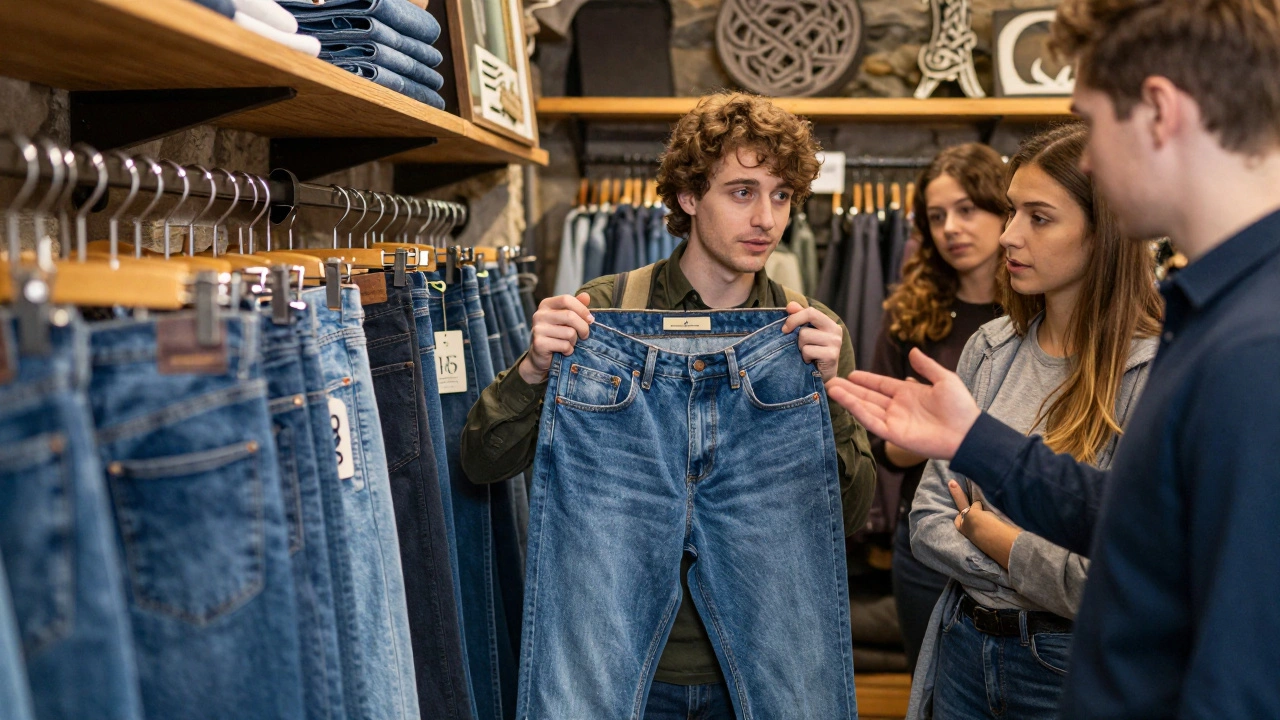
Walking through the narrow, cobblestone streets of Galway City on a damp Tuesday afternoon, you might feel like your wardrobe is fighting against the weather. You grab a pair of denim from a rack in a shop on Shop Street, only to wonder if that tight waistband will survive a night out at the Latin Quarter or if they’ll bag out after a day hiking the Cliffs of Moher. This is the eternal dilemma facing shoppers across Ireland: do you size up for comfort and hope they stay up, or size down for a snug fit and risk being unable to button them after a hearty meal?
The answer isn’t as simple as picking a number off a tag. It depends entirely on the fabric composition, the cut of the jean, and how you plan to wear them in our unpredictable climate. Whether you are browsing the high street in Dublin’s Grafton Street or hunting for vintage finds in Cork, understanding the mechanics of denim fit is crucial. Let’s break down exactly when you should go bigger and when you should stick to your true size.
The Fabric Factor: Stretch vs. Rigid Denim
The single most important factor in deciding whether to size up or down is what the jeans are made of. If you look at the label inside the waistband, you will see a blend of materials. In Ireland, where we often layer up for the chillier months, the elasticity of your denim matters more than you might think.
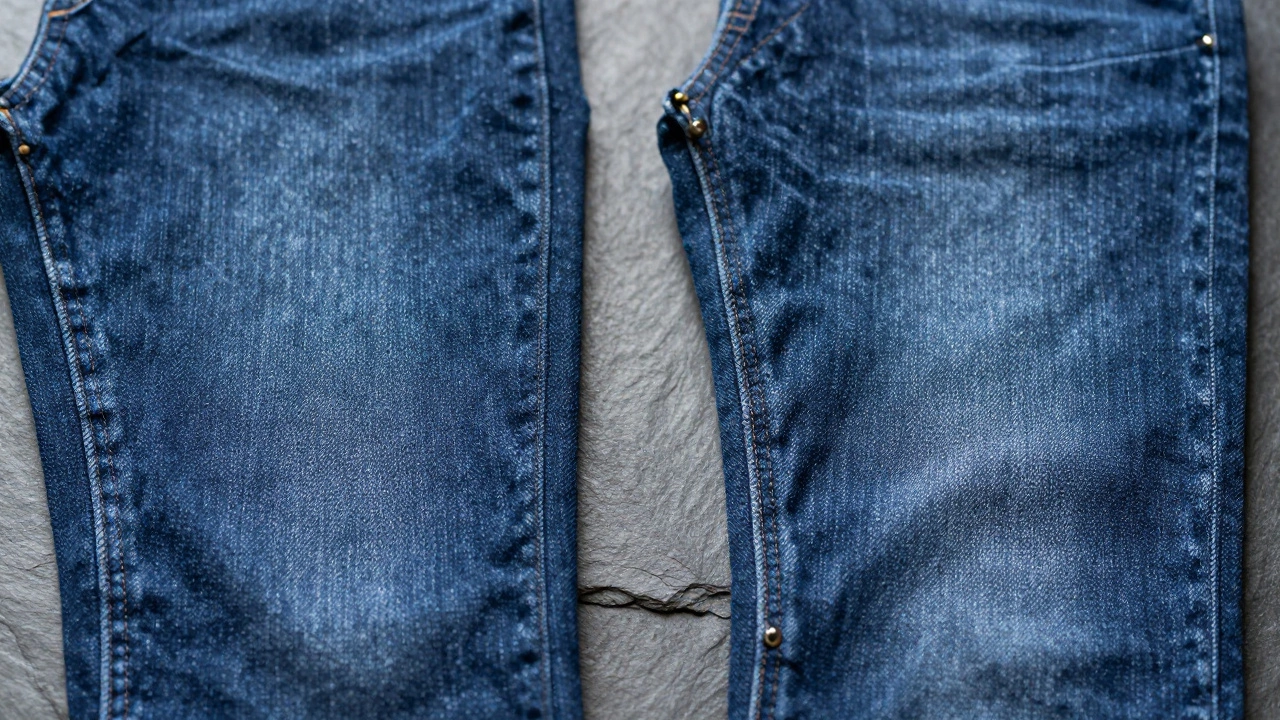
Rigid Denim (100% Cotton) is denim without any elastic fibers, known for its durability and stiff initial feel. These jeans do not give. They mold to your body over time, but they do not stretch instantly. If you buy rigid jeans, you must be able to sit comfortably in them right out of the package. A good rule of thumb here is the "two-finger test." If you can slide two fingers into the waistband with ease, they are too big. If you can barely get one finger in, they are likely too small. For 100% cotton, aim for a snug but breathable fit. They will loosen slightly with wear, so sizing down is rarely recommended unless you know the brand runs large.
On the other hand, modern denim almost always contains elastane or spandex. This synthetic fiber provides stretch. If a pair of jeans contains even 1-2% elastane, they will expand when you sit, squat, or dance. Here is the trap many shoppers fall into: buying a size smaller because the jeans feel loose while standing in the fitting room. Do not do this. When you sit down, those jeans will stretch out further, potentially becoming baggy around the thighs and knees by the end of the evening. With stretch denim, you want them to feel firm but not constricting. If they feel perfect standing up, they will likely feel perfect sitting down. If they feel tight, size up.
The Cut Matters: Skinny, Slim, Straight, and Wide Leg
Different cuts behave differently on the body. In recent years, fashion trends in Ireland have shifted away from the ultra-skinny styles of the early 2010s toward straight-leg, wide-leg, and relaxed fits. This shift changes how you should approach sizing.
- Skinny Jeans: These are designed to hug every contour. Because they rely on tension to stay in place, sizing down can lead to discomfort and restricted movement. If you are between sizes, size up. A slightly looser skinny jean can be styled with a belt, whereas a too-tight one will dig into your skin and leave red marks.
- Straight and Regular Fit: These cuts offer more room in the thigh and knee. They are forgiving. If you size up here, you risk looking sloppy. Stick to your true size. If the waist is slightly loose, a belt solves the problem instantly. If the legs are too long, a quick hem at a local tailor in your neighborhood-perhaps in Limerick or Waterford-is an inexpensive fix.
- Wide-Leg and Baggy Styles: These are meant to drape. Sizing down defeats the purpose of the silhouette. However, because they have so much fabric, they can sometimes feel heavy or pull down if the waist is too large. Here, the waist measurement is king. Ensure the waist sits securely; if it’s slightly loose, keep the larger size for the leg volume and use a belt. If the waist is too tight, size up.
Local Climate Considerations: Layering for Irish Weather
Living in Ireland means dealing with rain, wind, and sudden temperature drops. Your jeans need to accommodate layers. In winter, you might wear thermal leggings underneath your denim. If you buy jeans that fit perfectly over bare skin, they will be unbearable once you add base layers. During the colder months, especially from November to March, consider sizing up half a size if you plan to wear thermals regularly. This prevents the "muffin top" effect and allows for better blood circulation, keeping you warmer.
In summer, when temperatures occasionally climb above 20°C, lighter fabrics and looser fits are preferable. A straight-leg or wide-leg jean allows air circulation, which is essential during those rare hot spells in July or August. Sizing down in summer can lead to chafing and overheating. Comfort should always trump style in extreme weather conditions.
Brand Variations: What to Expect from Popular Labels
Not all brands size the same way. This is a universal truth, but it’s particularly noticeable when comparing international giants with local favorites. Here is a quick guide based on common experiences among Irish shoppers:
| Brand | Sizing Tendency | Recommendation |
|---|---|---|
| Levi's | True to Size / Slightly Small | Stick to your usual size. Their 501s are iconic for a reason-they fit consistently. |
| Wrangler | Large | Consider sizing down, especially in the waist. Wrangler tends to run generous. |
| Mango & Zara | Small | These fast-fashion brands often use European sizing that runs tighter. Size up for comfort. |
| Nudie Jeans | True to Size | Known for their raw denim. Buy for the fit you want immediately, as they stretch minimally. |
| Jack Wills | Varies by Cut | Check specific product reviews. Their slim fits can be restrictive; regular fits are standard. |
If you are shopping online from retailers like ASOS or Boohoo, which ship widely across Ireland, pay close attention to the customer reviews. Look for comments from people with similar body types. Did they find the jeans ran small? Did the length work for their height? This crowd-sourced data is invaluable.
The Waistband Test: Practical Tips for the Fitting Room
When you are in the fitting room, whether it’s in a department store like Brown Thomas in Dublin or a boutique in Kilkenny, perform these checks:
- The Sit Test: Sit down fully. Can you breathe? Does the waistband dig into your stomach? If yes, size up. Discomfort now will only worsen as the day goes on.
- The Squat Test: Perform a deep squat. If the crotch feels restrictive or the fabric pulls excessively at the thighs, the jeans are too small. This is especially important if you lead an active lifestyle or walk long distances.
- The Button Check: If you have to hold your breath to button the jeans, they are too small. Never force a button. It will eventually pop off, leaving you stranded.
- The Length Check: Stand in the shoes you typically wear. If the jeans pool excessively on the floor, they may need hemming. If they are too short, you cannot easily fix that. Prioritize the correct rise and waist over the length, as hems are cheap and easy.
Styling Adjustments: Belts, Tailors, and DIY Fixes
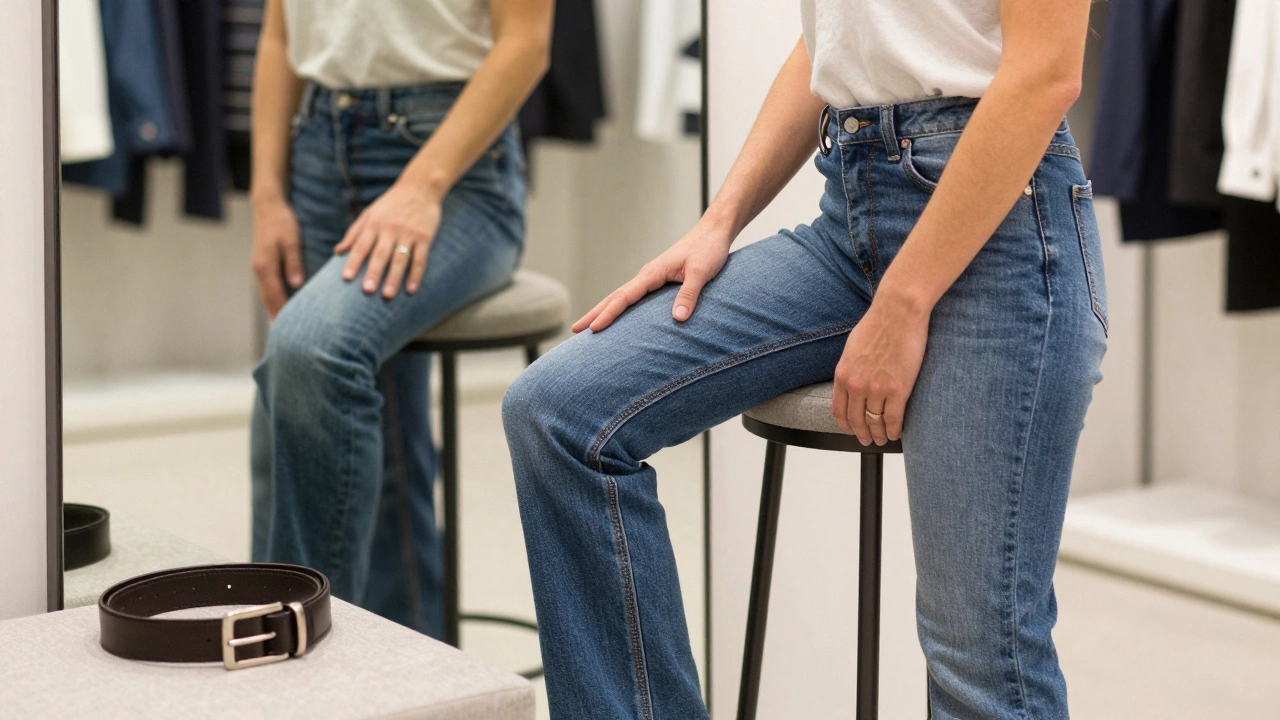
If you find a pair of jeans that fit perfectly in the legs but are slightly loose in the waist, do not automatically size down. Instead, use a belt. A good leather belt from a local craftsman in Galway or a reputable brand adds style and security. Conversely, if the waist is perfect but the legs are too long, visit a tailor. Many dry cleaners in Ireland offer basic hemming services for a reasonable fee. This ensures you get the exact fit you want without compromising on comfort.
For those who prefer a DIY approach, learning to take in the waistband is a useful skill. There are numerous tutorials available online that show how to sew darts into the back of the waistband to tighten it. This is a cost-effective solution for jeans that are otherwise ideal.
Conclusion: Finding Your Perfect Pair
Ultimately, the decision to size up or down comes down to personal preference and intended use. For everyday wear in Ireland, where comfort and practicality are key, leaning towards a true-to-size or slightly larger fit is usually safer. You can always adjust a loose waist with a belt, but you cannot expand tight denim. Remember, your jeans should serve you, not the other way around. Whether you are heading to a pub in Derry, a business meeting in Cork, or a hike in Wicklow, the right fit makes all the difference.
Should I size up in jeans if I wear thermal underwear?
Yes, if you plan to wear thermal leggings or thick socks underneath your jeans regularly, especially during the Irish winter, sizing up half a size is recommended. This prevents restriction and discomfort caused by the extra layer of fabric.
Do Levi's run small or large?
Levi's generally run true to size, though some styles like the 501s may feel slightly snug initially due to their rigid denim construction. Most shoppers find that sticking to their usual size works best, as the jeans will soften and conform to their body over time.
What is the best way to tell if jeans are too small?
Perform the sit and squat tests. If you cannot sit comfortably without the waistband digging in, or if squatting causes significant pulling in the crotch or thighs, the jeans are too small. Additionally, if you have to hold your breath to button them, they are definitely too tight.
Can I return jeans if they don't fit correctly?
Most major retailers in Ireland, including physical stores and online shops, offer return policies for unworn items with tags attached. Check the specific return policy of the retailer before purchasing. Some online-only brands may charge for return shipping, so factor this into your decision.
Is it better to buy jeans that are too big or too small?
It is generally better to buy jeans that are slightly too big rather than too small. You can easily tighten a loose waist with a belt or take them to a tailor. However, you cannot make tight jeans larger without risking damage to the fabric or seams. Comfort and mobility are prioritized with a slightly larger fit.