11
Should Your Shoes Show Under a Long Dress? Irish Etiquette Guide

Irish Dress & Shoe Visibility Checker
Planning an outfit for a wedding, gala, or party in Ireland? Use this tool to check if your shoe choice aligns with traditional etiquette and modern practicality.
Etiquette Verdict
Recommended Action:
- Wait for input...
Picture this: you’re standing in the queue for a wedding reception at a historic castle just outside Galway. The rain has finally stopped, but the ground is still slick with mud from the Atlantic breeze. You’re wearing a stunning floor-length evening dress, and suddenly, every time you shift your weight, you catch a glimpse of your heel peeking out from under the hem. Panic sets in. Is this a fashion faux pas? In Ireland, where weather can dictate style more than any trend report, the answer isn’t as black and white as you might think.
The short answer is no, your shoes are not supposed to show when you’re wearing a proper long dress. However, the reality of navigating cobblestones in Dublin or grassy marquees in Cork means that perfect concealment is often impossible-and sometimes, even undesirable. Let’s break down exactly how much skin (or shoe) should be visible, why it matters, and how to handle it without looking like you’ve forgotten the rulebook.
The Traditional Rule vs. Modern Reality
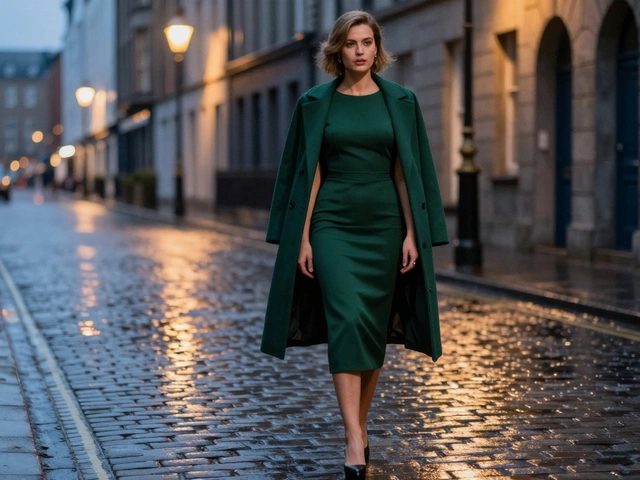
Formal dress codes have historically dictated that a full-length gown should completely obscure the feet. This tradition stems from an era when showing one’s shoes was considered informal, akin to walking around the house in slippers. The ideal silhouette is a continuous line from shoulder to floor, creating an illusion of height and elegance. If you’re attending a black-tie event at the Mansion House in Dublin, sticking to this classic standard is your safest bet.
But here’s the thing: strict adherence to this rule ignores the practicalities of modern life. Fashion has evolved. Designers now intentionally cut hems higher or use sheer fabrics that hint at what’s underneath. A slight flash of a metallic sandal or a velvet pump can add a touch of personality to an otherwise monochrome look. It’s less about breaking the rules and more about understanding the context. If the event is strictly traditional, hide those toes. If it’s a contemporary garden party in Kildare, let them breathe.
| Event Context | Ideal Shoe Visibility | Recommended Style |
|---|---|---|
| Black Tie / Gala | Zero to minimal | Closed-toe pumps, satin heels |
| Wedding (Church) | Minimal | Elegant heels, avoid open toes if conservative |
| Garden Party / Outdoor | Moderate | Block heels, wedges, embellished sandals |
| Cocktail Hour | High | Strappy sandals, bold colors |
Why Irish Weather Changes the Equation
If you live in Ireland, you know that dressing for an outdoor event is essentially gambling with the elements. A perfectly tailored maxi dress might look flawless in a fitting room in Grafton Street, but once you step onto the wet grass of a country estate, the dynamics change. Heavy fabrics like velvet or thick satin absorb water, becoming heavier and dragging on the ground. This naturally causes the hem to lift slightly when you walk, revealing your footwear.
This isn’t necessarily a mistake; it’s physics. Trying to keep a heavy skirt pinned to your ankles while balancing on uneven terrain looks stiff and uncomfortable. Instead, embrace the movement. Choose shoes that complement the dress rather than compete with it. For instance, if your dress is navy blue, nude or silver heels blend seamlessly into the background, making the accidental reveal less noticeable. Avoid stark contrasts like bright red shoes against a pale pastel dress unless you want your feet to be the focal point.
How to Measure Your Hemline Correctly
One of the biggest mistakes people make is buying a dress off the rack and assuming it fits their height. Standard sizing rarely accounts for individual proportions. To ensure your shoes stay hidden (or show just enough), you need to tailor the length specifically for the shoes you plan to wear. Never buy a long dress before deciding on your footwear.
- Wear the right shoes: Put on the exact pair of heels or flats you intend to wear to the event. Not similar ones-the actual pair.
- Stand on the surface: If the event is outdoors, stand on carpet or grass during fittings. Carpet adds friction and drag, changing how the fabric falls compared to a smooth studio floor.
- The "Hover" Test: The hem should hover approximately half an inch above the ground. This prevents tripping while ensuring the shoes remain mostly concealed. If you see too much toe, shorten it. If you’re stepping on the train, lengthen it.
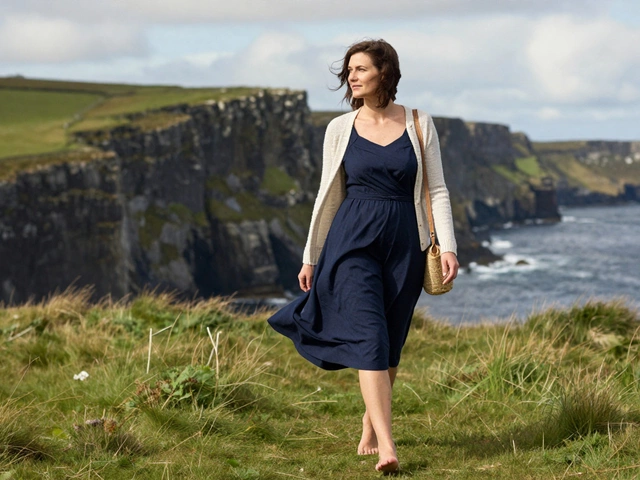
In Galway, many local tailors recommend adding a subtle chain or weight to the inner hem of lightweight chiffon dresses. This keeps the fabric hanging straight down, reducing the chance of wind blowing the skirt up and exposing your legs and shoes unexpectedly. It’s a small detail that makes a huge difference in windy coastal areas.

Choosing Shoes That Work With (Not Against) Your Dress
When your shoes do show, they become part of the outfit. This is your opportunity to shine-literally. Consider the material of your dress. If you’re wearing a sequined number for a New Year’s Eve bash in Dublin, matte leather shoes might look flat. Opt for metallic finishes, crystals, or satin to match the sparkle. Conversely, if your dress is minimalist silk, a simple strappy sandal in a neutral tone maintains sophistication.
Comfort is non-negotiable. Irish weddings and corporate galas often last hours, involving lots of standing and mingling. A beautiful stiletto that leaves you limping by dessert hour defeats the purpose. Wedges and block heels offer stability on uneven surfaces like old stone floors in historic venues. Plus, they often provide better support for all-night dancing. Remember, confidence comes from comfort. If you’re worried about your feet hurting, you won’t enjoy the event, regardless of how stylish your hemline is.
Cultural Nuances: What’s Acceptable in Ireland?
Ireland’s social scene varies significantly by region and occasion. In urban centers like Dublin and Cork, fashion trends move quickly, and showing a bit of ankle or foot under a maxi dress is widely accepted, especially among younger crowds. It signals a relaxed, modern approach to formality.
However, in more rural communities or for traditional religious ceremonies, conservatism still holds sway. Showing bare toes in a church setting can sometimes be viewed as disrespectful, particularly among older generations. If you’re unsure, err on the side of caution. Closed-toe shoes are universally safe. They convey respect for the venue and the hosts. You can always slip into a pair of stylish open-toed sandals for the reception if you want to feel cooler and freer.
Also, consider the guest list. Are you attending a high-society debutante ball or a casual summer barbecue? The latter allows for far more flexibility. At a backyard gathering in Mayo, seeing sneakers under a flowy maxi dress might even be seen as chic and practical. Context is king.

Troubleshooting Common Shoe Issues
What if you’ve already bought the dress and realize the hem is too short? Or too long? Don’t panic. There are quick fixes.
If the dress is too short and your shoes are showing too much, try wearing tights or opaque stockings. This creates a continuous color block from leg to shoe, making the transition smoother and less abrupt. Dark tights with dark shoes elongate the leg and hide the fact that the hem is riding up.
If the dress is too long and pooling around your feet, consider a temporary hem tape or professional alteration. But if you’re pressed for time, practice walking with small steps. Keep your core engaged and lift your knees slightly higher than usual. This technique helps prevent stepping on the train while keeping the hem relatively stable.
Another trick? Carry a small safety pin kit. If the wind keeps flipping your skirt, discreetly pinning a small section of the inner lining to the outer fabric can help maintain shape without altering the garment permanently.
Final Thoughts on Confidence
At the end of the day, fashion rules are guidelines, not laws. The most important accessory you can wear is confidence. If you feel great in your long dress, whether your shoes are hidden or highlighted, that energy translates to everyone around you. Focus on how the outfit makes you feel. Does it allow you to dance? Can you walk comfortably? Do you feel authentic to who you are?
So next time you’re getting ready for a big night out in Limerick or a wedding in Kerry, take a moment to check your reflection. Adjust your hem, choose your shoes wisely, and then stop worrying. You look fantastic. Now go enjoy the night.
Is it okay to show my toes in a long dress at a wedding?
It depends on the formality and location. For traditional church weddings in Ireland, closed-toe shoes are preferred out of respect. For outdoor or beach weddings, open-toe sandals are generally acceptable and often more comfortable.
How much of my shoe should show under a maxi dress?
Ideally, none for strict formal events. For semi-formal or casual settings, a small flash of the toe or heel is acceptable. Aim for the hem to hover just above the ground so shoes are only visible when you walk or sit.
What shoes go best with a floor-length evening dress?
Choose heels that complement the dress color and texture. Nude tones elongate the leg, while metallics add glamour. Ensure they are comfortable enough for standing and dancing, as Irish events often involve significant time on your feet.
Can I wear flats with a long dress?
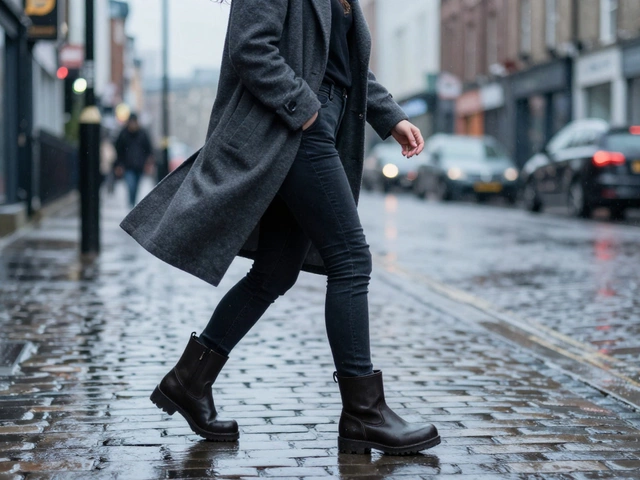
Yes, absolutely. Flats are practical and stylish, especially for outdoor events on grass or cobblestones. Just ensure the dress is hemmed correctly so it doesn’t drag on the ground and get dirty.
Does the type of fabric affect shoe visibility?
Yes. Lightweight fabrics like chiffon may blow up in the wind, revealing shoes more easily. Heavier fabrics like velvet drape heavily and cover shoes better but can drag if too long. Tailoring for the specific fabric is key.