6
Is It OK to Fold Coats? A Practical Guide for Irish Wardrobes
Coat Storage Decision Tool
Living in Ireland means your wardrobe has to work harder than most. One minute you are dodging a sudden downpour on Grafton Street, and the next you are layering up against a biting Atlantic wind in Galway. We rely heavily on our outerwear-not just as fashion statements, but as essential armor against the damp chill that seems to seep into everything here. This brings up a common question I hear from neighbors and friends alike: is it actually okay to fold your coats, or will you ruin them?
The short answer is: it depends entirely on what you are wearing. You cannot treat a heavy wool overcoat the same way you treat a light cotton shirt. In fact, folding the wrong type of coat can lead to permanent creases, stretched shoulders, or even damage to the lining. Let’s break down exactly which pieces deserve a hanger and which ones are perfectly happy tucked away in a drawer.
The Golden Rule: Structure vs. Flexibility
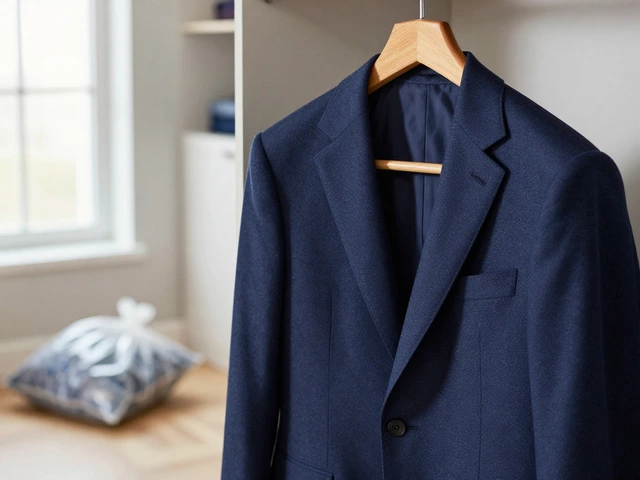
Before deciding whether to fold or hang, look at the construction of the garment. The key factor is structure. Does the coat have a defined shoulder line, stiff interfacing, or heavy padding? If yes, hanging is usually non-negotiable. Think about those structured blazers you might wear to a wedding in Dublin or a business meeting in Cork. These items rely on their shape to look good. Folding them flattens the shoulders and creates deep creases across the chest and back that are nearly impossible to remove without professional steaming.
On the other hand, flexible fabrics like knitwear, soft denim, or unlined fleece do not need structural support. These materials are designed to move with your body. They recover well from compression and don’t hold onto sharp lines when folded. Understanding this distinction saves you space and keeps your clothes looking fresh for longer.
When Hanging Is Mandatory
In the Irish climate, we tend to invest in quality outerwear because cheap jackets rarely survive a winter on the Wild Atlantic Way. Here are the types of coats that absolutely must be hung:
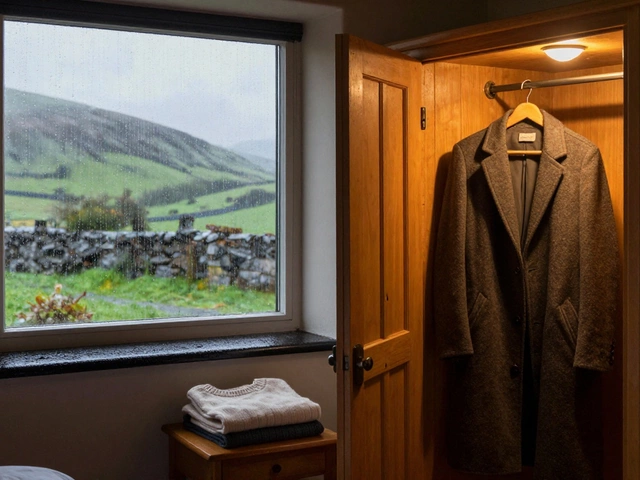
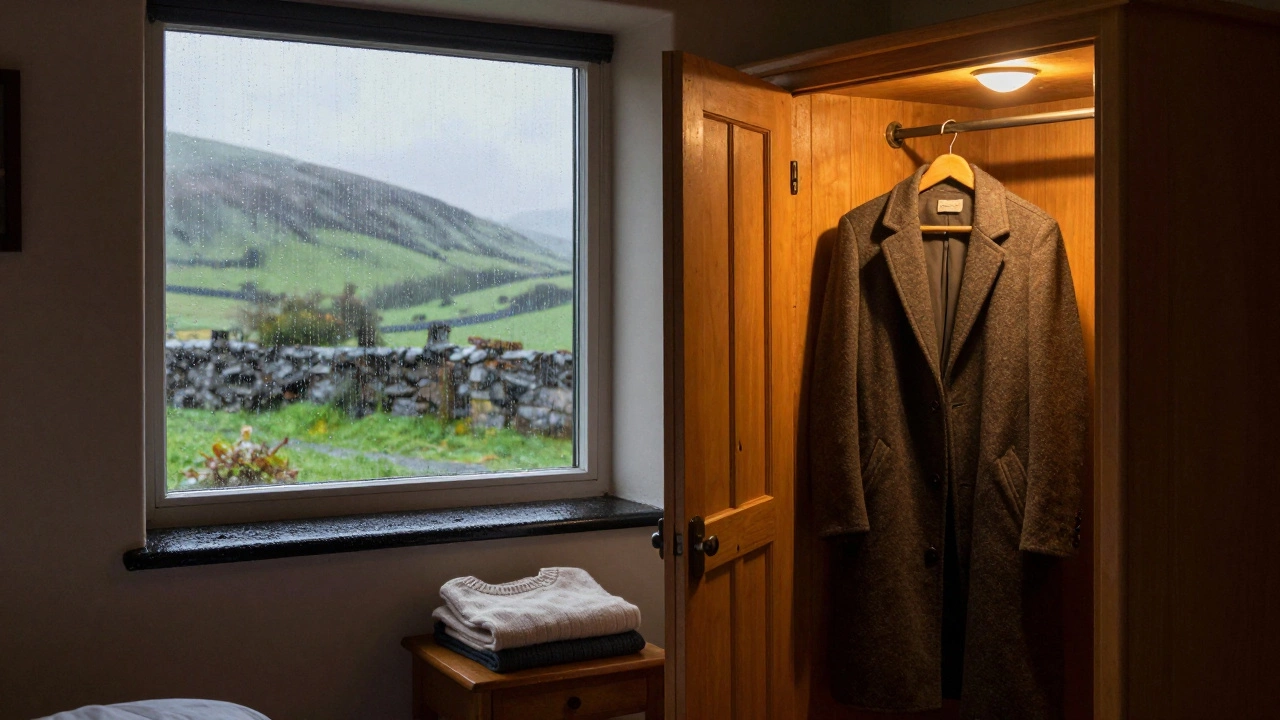
- Wool Overcoats: Heavy wools are prone to creasing. When folded, the weight of the fabric pulls on the fibers, creating permanent bends along the fold lines. Always use a wide, padded hanger to maintain the shoulder shape.
- Tailored Blazers: Whether you are dressing up for a night out in Temple Bar or attending a formal event, the crisp lines of a blazer are its selling point. Folding destroys these lines instantly.
- Leather and Suede Jackets: Leather is a natural material that remembers its shape. Folding it causes cracks to form along the crease over time. Plus, leather needs to breathe; stuffing it into a box traps moisture, which is a nightmare in our humid weather.
- Down Puffer Jackets: While these can technically be compressed for travel, long-term storage should involve hanging them loosely. Compressing down feathers for months reduces their loft, meaning they won’t keep you as warm during those cold January mornings.
If you live in a small apartment in Galway city center where closet space is premium real estate, it can be tempting to shove everything into drawers. But resist the urge with these items. Invest in a good quality wooden hanger. Cheap plastic ones snap under the weight of a wet raincoat, leaving your expensive jacket dangling by one sleeve-a scenario no one wants to deal with before heading out to the shops.
Coats That Are Perfectly Fine to Fold
Not every item in your wardrobe demands vertical space. Some garments actually benefit from being folded. This is especially true for knits and lightweight layers that you might wear indoors or during milder autumn days.
- Cashmere Sweaters: Hanging cashmere stretches the fibers, causing the sweater to lose its shape and sag. Folding is the only way to store these properly. Use acid-free tissue paper between folds to prevent sharp creases.
- Fleece Jackets: Fleece is synthetic and highly resilient. It bounces back easily. Folding a fleece jacket saves significant space and prevents it from getting snagged on other items in your wardrobe.
- Denim Jackets: Denim is tough. Unless it is a very high-end, structured designer piece, a standard denim jacket can handle being folded. Just avoid folding it tightly around the waistline repeatedly, as this can weaken the fabric over years of wear.
- Lightweight Windbreakers: Thin nylon or polyester windbreakers are designed to pack away. They often come with their own stuff sacks for a reason. Folding them flat in a drawer is perfectly safe and efficient.
I keep my everyday fleece and denim jackets in a large drawer beneath my bed. It keeps them dust-free and easily accessible. When I need to grab something quick before rushing to catch the bus to Salthill, I know exactly where they are without digging through a crowded rail of hangers.

The Irish Weather Factor: Moisture and Mold
We cannot talk about storing coats in Ireland without addressing the elephant in the room: humidity. Our air is damp. Rain isn’t just water falling from the sky; it’s a persistent atmospheric condition. If you store a damp coat-whether folded or hung-you risk mold and mildew. That musty smell that sometimes clings to winter wardrobes is a sign of fungal growth.
Always ensure your coats are completely dry before putting them away. If you get caught in a shower while walking home from the pub, shake out the jacket and hang it in a well-ventilated area, perhaps near a radiator (but not too close to avoid heat damage) or in front of a fan. Never put a damp coat into a sealed container or a tight drawer. The trapped moisture will rot the lining and stain the fabric.
For long-term storage, consider using silica gel packets. You can find these in shoe stores or online. Toss a few into your drawers or closets to absorb excess moisture. Cedar blocks are another great option-they repel moths naturally and help regulate humidity, which is perfect for protecting woolen items during the wetter months.
Space-Saving Solutions for Small Homes
Many of us in Ireland live in older homes with limited built-in storage. Victorian terraces in Dublin or cottages in Connemara often lack modern, spacious wardrobes. So, how do you balance proper care with practical space constraints?
One effective method is the "fold-and-roll" technique for lighter items. Instead of laying a fleece flat, roll it tightly from the bottom up. This minimizes wrinkles and allows you to stack items vertically in a drawer, making better use of depth. For heavier coats that must be hung, consider over-the-door hooks or tension rods installed in empty corners. These inexpensive solutions create extra hanging space without drilling holes in walls, which is ideal if you are renting.
Another tip is seasonal rotation. In Ireland, the transition from summer to winter is gradual but distinct. Once the heavy rains arrive in October, pull out your waterproofs and thick wool coats. Store your light linen shirts and thin cardigans in vacuum-sealed bags or under-bed storage boxes. By rotating your wardrobe, you free up prime hanging space for the items you actually need right now.
Maintenance Tips to Extend Coat Life
Proper storage is only half the battle. Regular maintenance ensures your coats stay in top condition year after year. Here are some simple habits to adopt:
- Air Out Your Coats: After wearing a coat, especially if you’ve been in crowded places like the Luas or busy shopping centers, let it air out for an hour before hanging it up. This helps dissipate odors and moisture.
- Brush Off Debris: Use a soft clothes brush to remove dirt, pollen, and lint. This prevents particles from grinding into the fabric fibers during storage.
- Check for Moths: Wool is moth food. Inspect your wool coats regularly for small holes or webbing. Natural deterrents like lavender sachets or cedar chips work wonders without harsh chemicals.
- Professional Cleaning: Don’t wash coats at home unless the label explicitly says so. Dry cleaning is necessary for wool, silk, and structured fabrics. Do this once a season, preferably at the end of winter, to remove accumulated oils and stains before storing.
I learned this the hard way a few years ago. I tried washing a favorite wool blend coat in the machine because I thought it would save money. The result was a shrunken, felted mess that looked more like a child’s toy than an adult’s coat. Lesson learned: when in doubt, take it to the cleaners. There are excellent local dry cleaners in most Irish towns that offer reasonable prices and careful service.
Travel Considerations
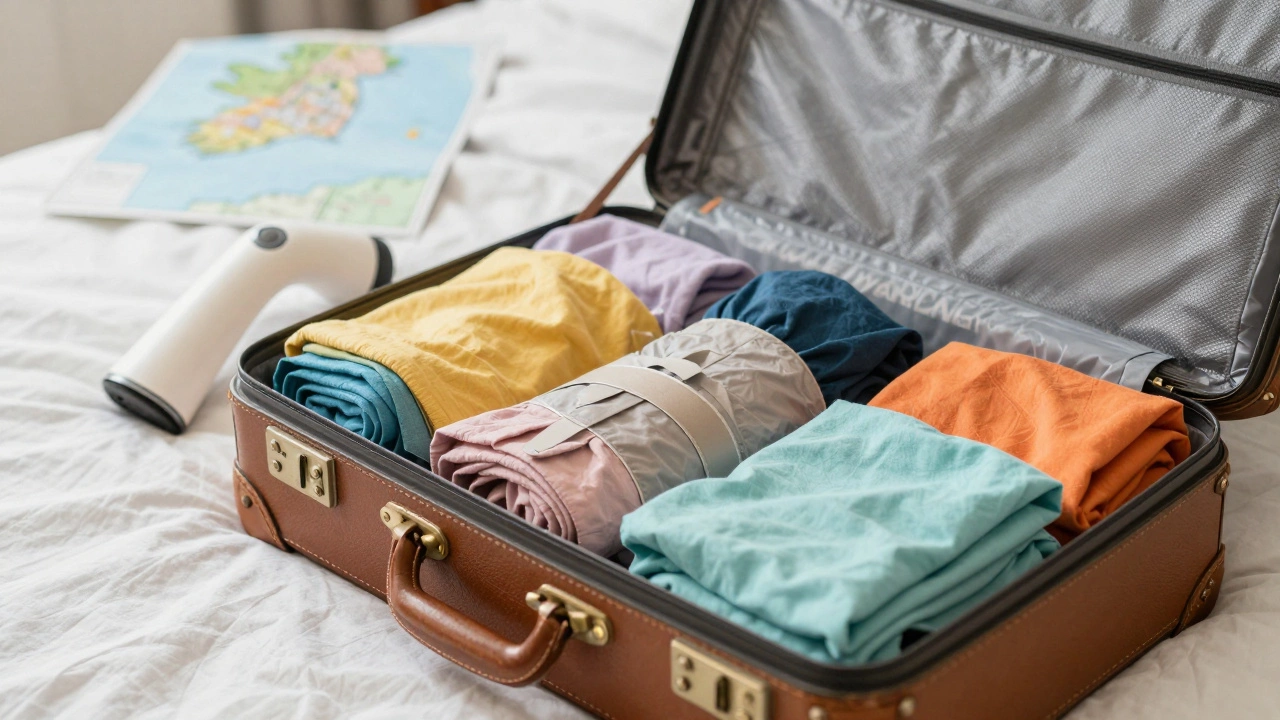
If you are packing for a trip-whether it’s a weekend getaway to the Cliffs of Moher or a holiday abroad-folding becomes necessary due to suitcase limitations. Here’s how to minimize damage:
Use the bundle wrapping method. Lay your largest, heaviest item flat (like jeans or a sweater). Place smaller items on top, then wrap the whole bundle around a core item. This distributes pressure evenly and avoids sharp creases. For delicate items, place them inside out to protect the outer surface. And always pack a portable steamer or check if your hotel offers ironing services. A quick steam removes most travel wrinkles effectively.
Can I fold a leather jacket to save space?
It is generally not recommended to fold leather jackets for long-term storage. Leather is a natural material that can develop permanent creases and cracks along fold lines. Additionally, folding traps moisture, which can lead to mold in Ireland's humid climate. If you must fold it temporarily for travel, do so gently and unfold it immediately upon arrival, allowing it to hang and regain its shape.
How do I prevent moths from eating my wool coats?
Moths are attracted to natural fibers like wool, especially if there are food stains or sweat residues. Always clean your coats before storing them. Use natural deterrents such as cedar blocks, lavender sachets, or dried rosemary in your wardrobe. Avoid naphthalene balls as they leave a strong chemical odor. Regularly air out your stored coats to disrupt any potential moth activity.
Is it better to hang or fold a puffer jacket?
For daily use, hanging a puffer jacket is best to maintain its loft and warmth. However, puffer jackets are designed to be compressible, so folding them for short-term storage or travel is acceptable. Just avoid keeping them compressed in a tight bag for months, as this can damage the down clusters and reduce insulation efficiency.
What should I do if my coat smells musty after storage?
A musty smell indicates mold or mildew growth due to trapped moisture. First, take the coat outside and air it thoroughly in fresh air and sunlight if possible. Sunlight helps kill mold spores. If the smell persists, sprinkle baking soda on the inside lining, leave it for a few hours, then brush it off. For severe cases, professional cleaning may be required to remove deep-seated odors and prevent further damage.
Can I store my coat in a vacuum bag?
Vacuum bags are useful for saving space but should be used with caution. They are suitable for lightweight, resilient fabrics like fleece or synthetic windbreakers. However, never use vacuum bags for wool, leather, or structured garments. The extreme compression can crush fibers, flatten padding, and cause permanent deformation. Also, ensure the garment is completely dry before sealing it to prevent mold growth inside the bag.