14
Best Shoe Brands for Bad Feet in Ireland: A Local Guide
Irish Footwear Finder
Select your primary foot concern and typical usage environment to find the most suitable brand recommendations based on local Irish market data.
If you live in Ireland, you know the drill. One minute it’s sunny, the next you’re navigating a puddle that looks like the Atlantic Ocean. And if your feet are already giving you grief-plantar fasciitis, bunions, or just plain old flat arches-walking around Dublin or Galway can feel like a punishment rather than a pleasure. You don’t need fancy jargon; you need shoes that actually work on wet cobblestones and cold concrete.
Here is the blunt truth: most "fashion" shoes sold on Grafton Street will destroy your knees within a month. But there is hope. The Irish market has quietly become a hub for high-quality, supportive footwear, thanks to our own heritage of tanning and boot-making. This guide cuts through the noise to tell you exactly which brands save your soles, specifically tailored for the Irish climate and terrain.
Why Your Feet Hate Standard Shoes (And What Fixes Them)
Before we talk brands, let’s talk biology. Most foot pain stems from three things: lack of arch support, narrow toe boxes, and poor shock absorption. In Ireland, add rain to the mix. Wet leather stretches, dries out, and loses its structural integrity if not treated right. If you have Plantar Fasciitis-that sharp heel pain when you first stand up-you need a shoe with a rigid shank (the part under the arch) and a deep heel cup.
You might be thinking, "Can't I just buy cheap trainers?" Sure, but cheap foam collapses after 200 miles. On a damp Tuesday in Cork, that collapsed foam means zero protection against the hard ground. You need materials that breathe yet repel water. That usually means full-grain leather or high-grade nubuck, paired with a cork footbed that molds to your unique foot shape over time.
The Irish Heavyweights: Heritage Brands That Deliver
When people ask about the best brand of shoes for bad feet, they often overlook their own backyard. Ireland produces some of the most durable, ergonomic footwear in Europe. These aren't just "comfortable"; they are engineered for longevity.
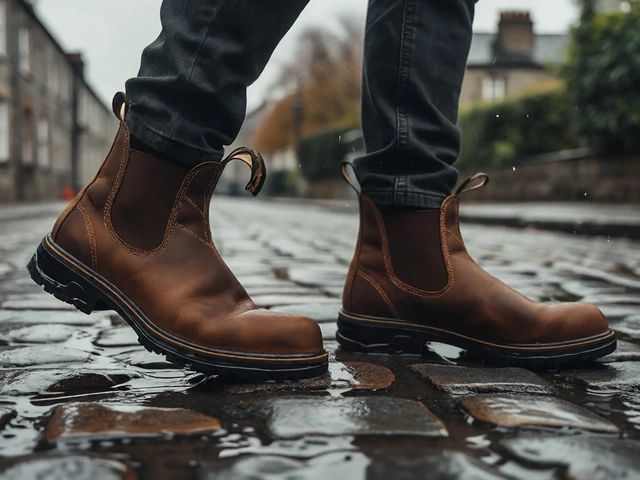
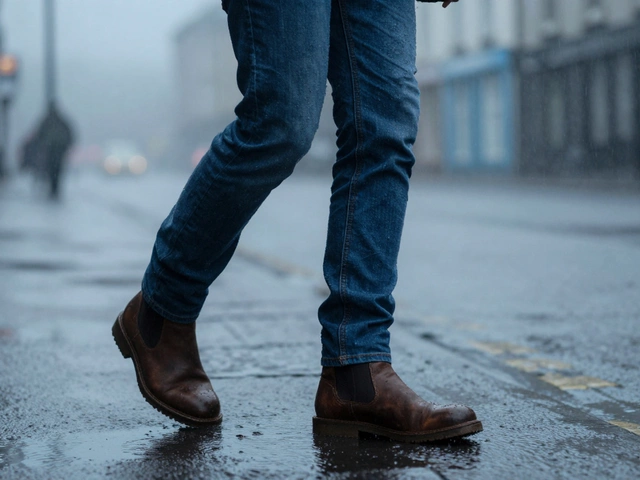
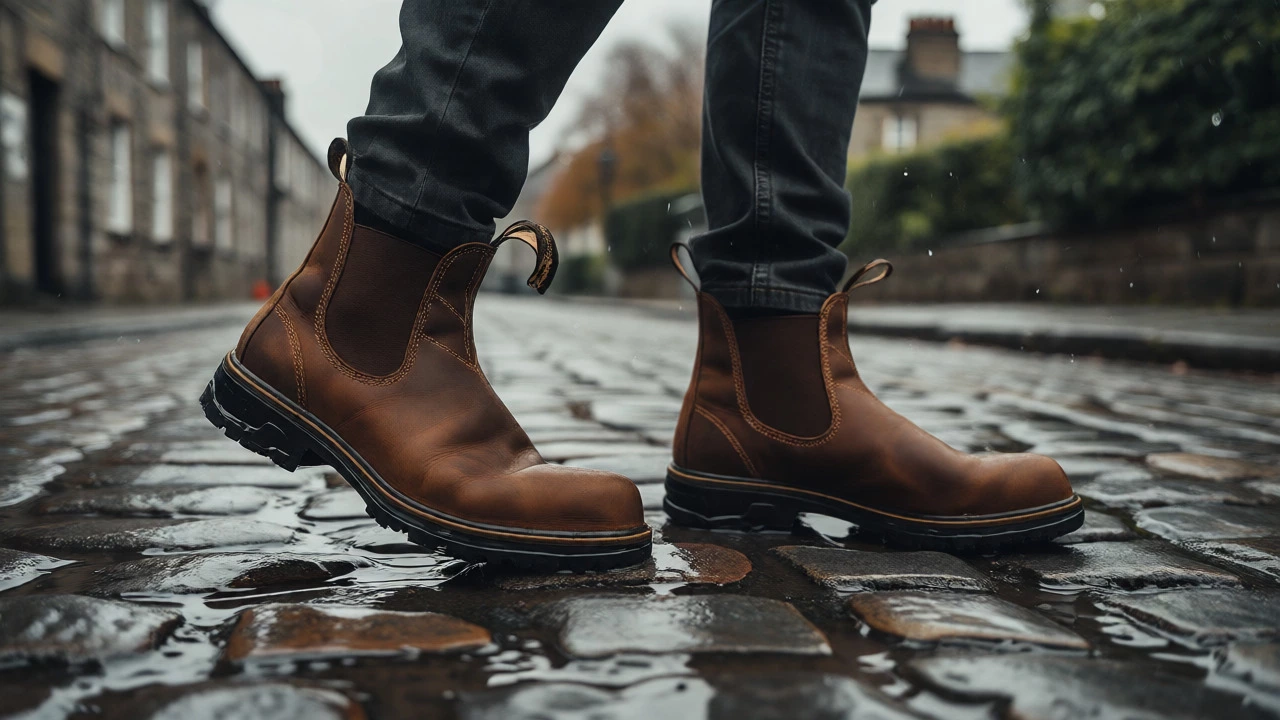
Blundstone is arguably the king of comfort here. While Australian-owned, they have massive distribution in Ireland because they understand wet weather. Their boots use a premium elastomeric panel instead of laces, making them easy to slip on and off. More importantly, they feature a dual-density polyurethane sole that absorbs shock incredibly well. If you have heel spurs, Blundstones are often the first recommendation from podiatrists in Dublin. They are heavy, yes, but they last decades. Treat the leather with wax every six months, and they’ll survive the worst winter floods in Limerick.
Then there is Rieker. You see these everywhere in Irish shopping centers, from Dundrum Town Centre to Mahon Point in Cork. Rieker specializes in lightweight construction using their "Antistress" technology. It’s a cushioning system embedded in the sole that reduces pressure on joints. For those with arthritis or general fatigue, Rieker offers a wider range of widths than many competitors. Their women’s sandals and men’s loafers are particularly good for hot days when your feet swell-a common issue for many of us as we age.
We cannot ignore Ara Shoes. German engineering meets Irish practicality. Ara uses a technique called "Soft-Flex," which allows the shoe to bend at the ball of the foot while keeping the heel stable. This mimics natural walking motion. If you suffer from Morton’s Neuroma (a painful condition affecting the nerves between toes), Ara’s wide toe boxes are a lifesaver. They also offer specific models with removable insoles, allowing you to pop in custom orthotics prescribed by your local chiropodist without ruining the shoe's structure.
Global Contenders Worth Your Euro
Sometimes you want something less utilitarian. If you need smart-casual options for office work in Belfast or student life in Galway, consider these global brands available locally.
Ecco dominates the mid-range market. Why? Because they control their entire supply chain, meaning the quality control is strict. Their direct-injection PU soles are bonded directly to the upper, creating a seamless bond that doesn’t peel apart in the rain. Ecco’s "Biometric" line is specifically designed to align the body’s posture. If you stand all day behind a counter, the cushioned collar and padded tongue prevent blisters. However, watch out for their sizing-it runs large. Always try them on in the afternoon when your feet are slightly swollen.
Vionic has gained traction recently among Irish nurses and teachers. Unlike standard sneakers, Vionic builds orthotic support directly into the shoe. They use a firm arch post made of medical-grade plastic. This isn't soft memory foam; it's structured support. If you have fallen arches, this rigidity prevents your foot from rolling inward (overpronation). The trade-off? They look a bit chunky. But who cares about looking sleek when your lower back stops screaming?
Comparison Table: Choosing the Right Fit
| Brand | Best For | Key Feature | Weather Resistance | Price Range (EUR) |
|---|---|---|---|---|
| Blundstone | Outdoor/Rainy Days | Shock-absorbing PU sole | High (Water-resistant) | €180 - €250 |
| Rieker | Arthritis/Fatigue | Antistress cushioning | Moderate (Needs spray) | €60 - €110 |
| Ara | Bunions/Wide Feet | Soft-Flex flexibility | Moderate | €90 - €140 |
| Ecco | All-Day Standing | Direct-injected sole | High | €100 - €160 |
| Vionic | Flat Arches/Orthotics | Built-in biomechanical support | Low to Moderate | €80 - €130 |
Where to Buy and Try in Ireland
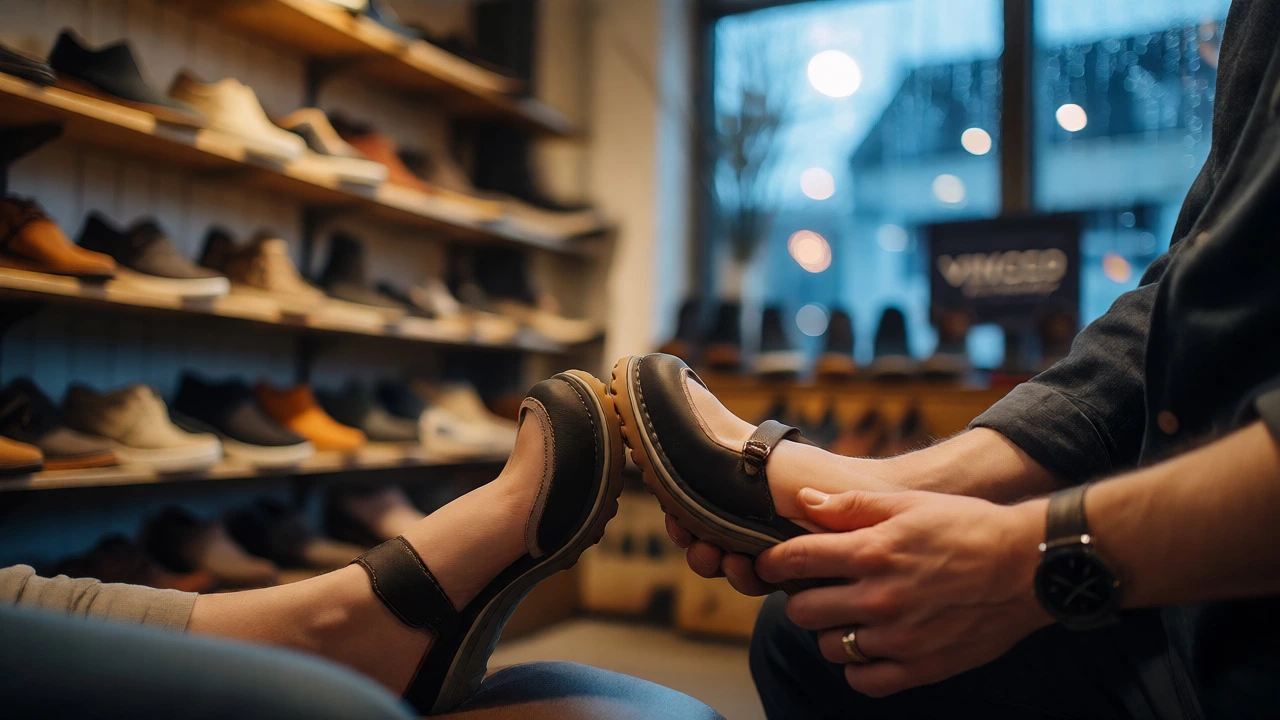
Buying online is convenient, but for bad feet, it’s risky. You need to feel the stiffness of the shank. Fortunately, independent shoe shops across Ireland specialize in fitting services. Look for stores that carry multiple brands like Ara, Mephisto, and Waldläufer. Chains like Shoe Zone are budget-friendly, but their selection for "bad feet" is limited. You are better off visiting dedicated comfort retailers.
In Dublin, check out specialized fitters near the city center who offer gait analysis. Many now use video software to record your walk in slow motion, identifying exactly where your foot hits the ground hardest. This data helps match you with the right brand. In Cork and Galway, local independents often stock higher-end European brands that big chains skip. Don’t be shy about asking for a "wide fit" or "extra depth." Staff at reputable shops won’t judge; they’ve seen every type of bunion imaginable.
Care Tips for Long-Lasting Comfort
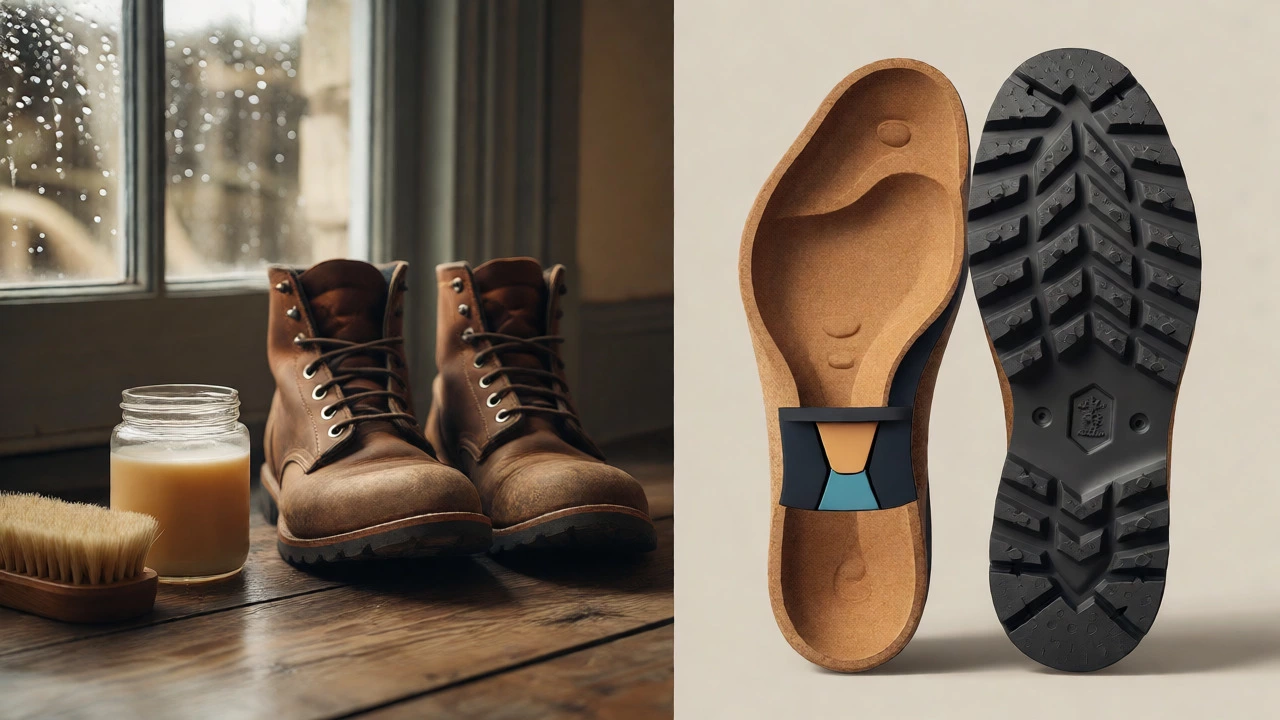
Even the best shoes fail if neglected. Irish humidity is tough on leather. Here is a simple routine:
- Dry Naturally: Never put wet shoes near a radiator. Heat cracks leather. Stuff them with newspaper to absorb moisture and maintain shape.
- Condition Monthly: Use a neutral leather cream. Dry leather becomes brittle and loses its ability to flex, causing pain points.
- Rotate Pairs: Give each pair 24 hours to dry out completely. Wearing the same shoes two days in a row accelerates bacterial growth and degrades the foam midsole faster.
- Replace Insoles: Even if the outside looks fine, the internal cushioning compresses. Replace removable insoles every 6-12 months.
Frequently Asked Questions
Are expensive shoes always better for bad feet?
Not necessarily. Price often reflects brand prestige or material rarity. However, brands like Blundstone or Ara charge more because they invest in ergonomic lasts (molds) and durable materials. Cheaper shoes often use glued-on soles that separate quickly and thin foam that bottoms out. For medical conditions, mid-to-high price ranges usually offer the necessary structural support.
Can I wear sneakers if I have plantar fasciitis?
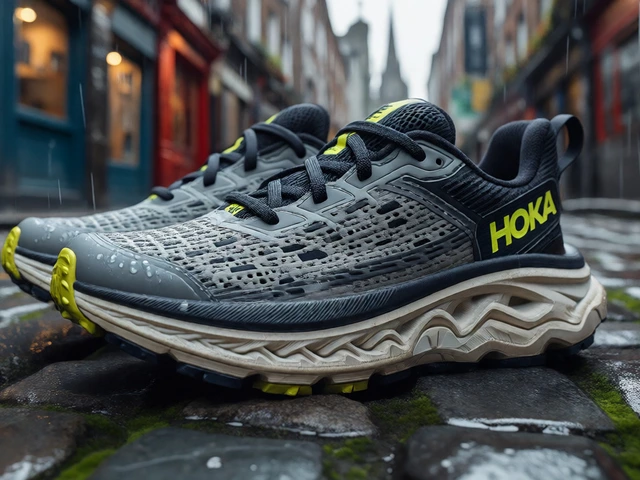
Yes, but choose carefully. Avoid minimalist running shoes with zero drop. Look for sneakers with a stiff heel counter (the back part) and significant arch support. Brands like Hoka or Brooks offer stability lines, but ensure they fit your width. If your sneaker bends easily in half, it lacks the support you need.
How do I know if my shoes are too narrow?
If your little toe hangs over the edge, or if you feel squeezing across the ball of your foot, they are too narrow. Also, check for red marks on your skin after removing the shoes. In Ireland, swelling from heat or activity is common, so leave a thumb's width of space at the toe box.
Is leather really better than synthetic for wet Irish weather?
Full-grain leather is superior because it breathes and wicks moisture away from your foot while blocking external water. Synthetics can trap sweat, leading to fungal issues. However, leather requires maintenance. If you hate polishing, look for treated nubuck or waterproof membranes like Gore-Tex integrated into the lining.
Do I need custom orthotics if I buy good shoes?
It depends on the severity of your condition. Good shoes provide general support. Custom orthotics correct specific biomechanical misalignments. If you have severe flat feet or leg length discrepancies, combine both: shoes with removable insoles and your prescribed orthotics. Never put orthotics into shoes with fixed, glued-in insoles unless you cut them out, which voids warranties.