30
Activewear vs Sportswear: Which One Should You Wear for an Irish Workout?
Gear Picker: Activewear vs. Sportswear
Not sure what to wear for your next outing? Select your activity and environment below to find the best gear recommendation.
To get things started, let's look at the quick breakdown. If you just need the gist without the deep dive, here is the deal:
- Sportswear: Technical, high-performance gear built for a specific sport. Think of it as "tools" for your body.
- Activewear: Versatile, comfortable clothing meant for general physical activity and daily life. Think of it as "lifestyle" gear.
The Technical Side of Sportswear
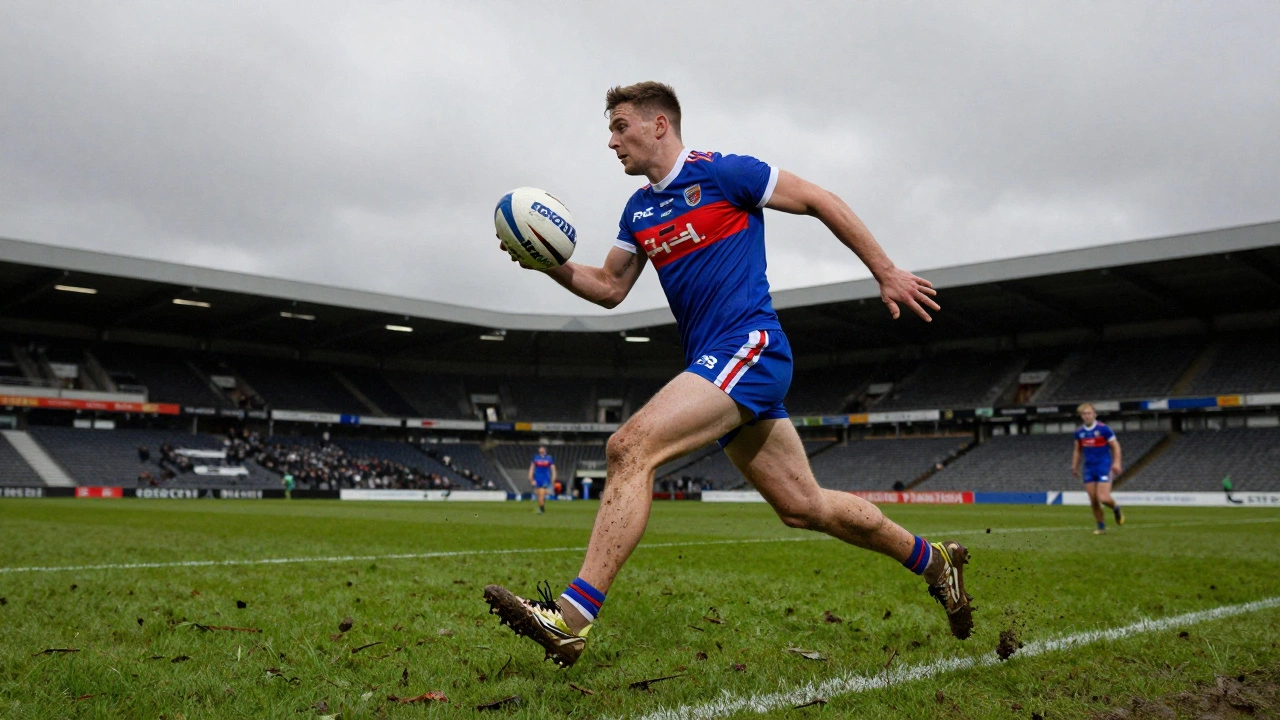
When we talk about Sportswear is clothing specifically engineered for a particular athletic discipline, focusing on performance, safety, and regulation compliance , we aren't talking about a pair of joggers. We are talking about gear that has a job to do. For example, if you're playing a match for your local GAA club, your jersey isn't just a shirt; it's a high-compression, moisture-wicking garment designed to keep you cool while you're sprinting across a muddy pitch in Croke Park.
Sportswear is often defined by its constraints. A rugby player needs reinforced stitching to survive a scrum, and a swimmer needs a chlorine-resistant suit that reduces drag. These garments usually prioritize function over fashion. You wouldn't wear a professional cycling kit-those tight, aerodynamic Lycra suits-to a brunch spot in St. Stephen's Green because, frankly, it would be uncomfortable and a bit odd. The value here is in the technical specifications: the breathability of the fabric, the way it supports specific muscle groups, and its ability to withstand the rigors of a competitive game.
Activewear: The Rise of the Lifestyle Look
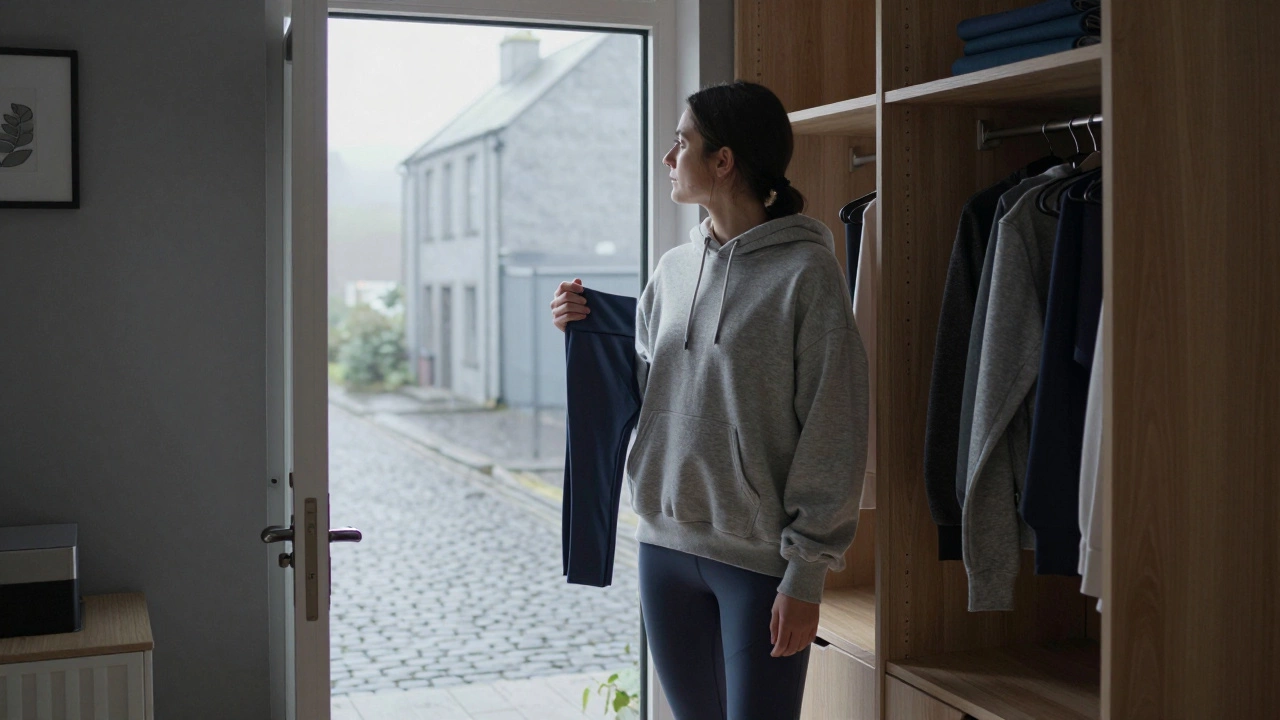
Now, let's look at Activewear is a broader category of clothing designed for general exercise and casual wear, often blending athletic functionality with everyday style . This is where "athleisure" lives. Activewear is what you wear to a Pilates class in Cork or a brisk walk along the Cliffs of Moher. It's designed for movement, yes, but it's also designed for aesthetics.
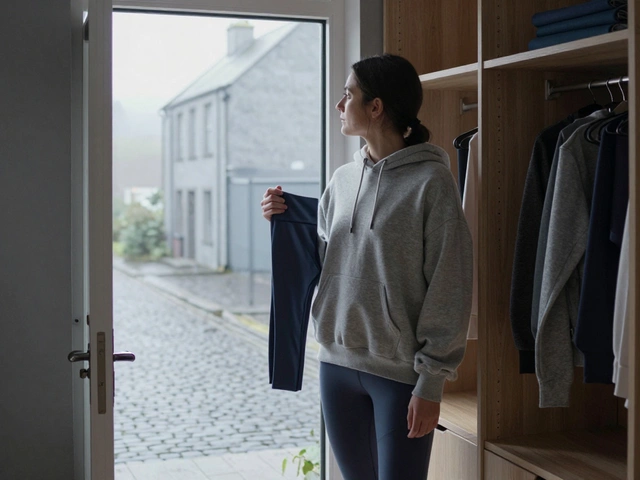
Think about the standard yoga pant or a high-quality hoodie. These pieces use blends of spandex and polyester to give you stretch, but they don't necessarily have the specialized engineering of a professional athlete's kit. The goal of activewear is versatility. You can hit a 45-minute session at the gym and then throw a denim jacket over your shoulders for a trip to the supermarket without feeling like you're wearing a costume. In the Irish market, activewear has exploded because it fits our lifestyle-we need clothes that are flexible enough for a workout but cozy enough to handle a sudden drop in temperature.
Breaking Down the Differences
To make it easier to decide what to buy, let's look at how these two categories stack up against each other. If you are buying gear from a shop in Arthur's Quay or browsing online, keep these attributes in mind.
| Feature | Sportswear | Activewear |
|---|---|---|
| Primary Goal | Performance & Competition | Comfort & Versatility |
| Material | Technical (e.g., Gore-Tex, AeroSwift) | Flexible (e.g., Spandex, Cotton Blends) |
| Fit | Often highly compressive/specific | Adjustable, flattering, relaxed |
| Usage | On the pitch, track, or court | Gym, walking, lounging, errands |
| Style | Functional/Uniform-like | Fashion-forward/Casual |
Choosing for the Irish Climate
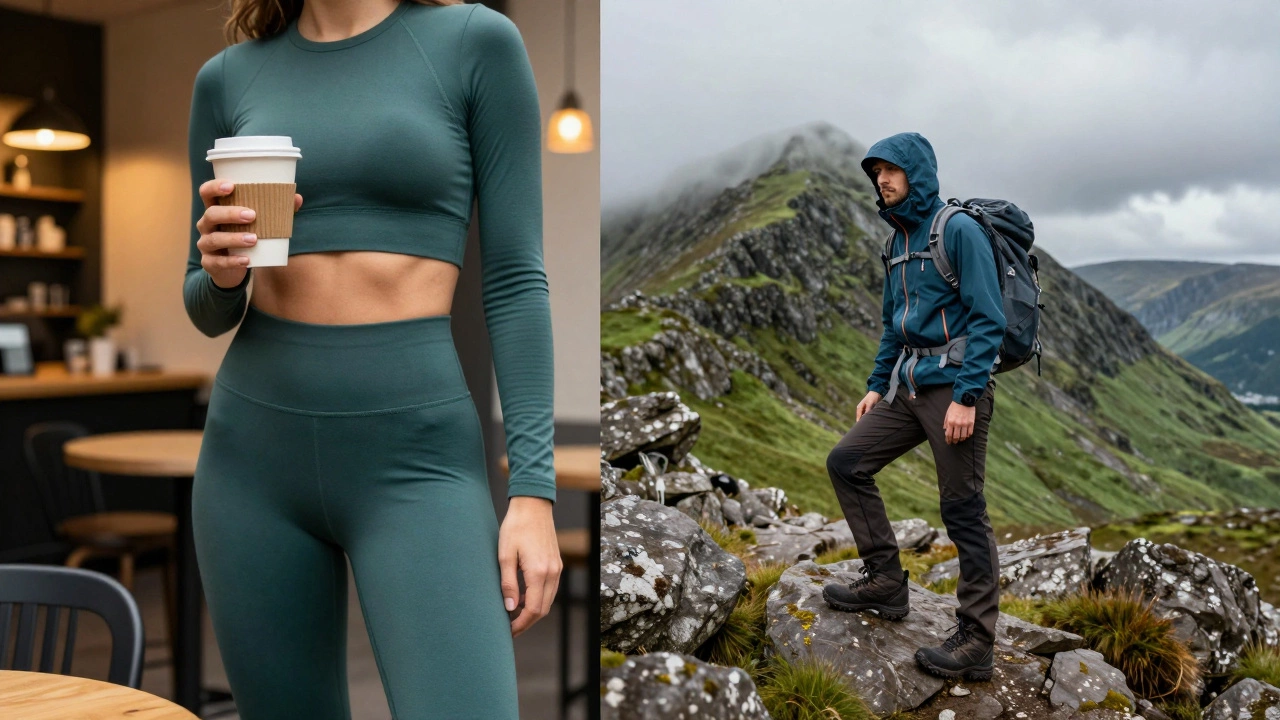
Living in Ireland adds a layer of complexity to this choice. We don't just deal with "weather"; we deal with four seasons in one hour. When choosing between these two, you have to consider the Microclimate is the local set of atmospheric conditions that can differ from the overall regional climate of your specific activity. For instance, if you're hiking in the Wicklow Mountains, you aren't just looking for "activewear"-you need technical sportswear. A fashion-forward activewear legging won't protect you from the wind-chill on a peak, but a pair of technical trekking trousers with water-repellent coating will.
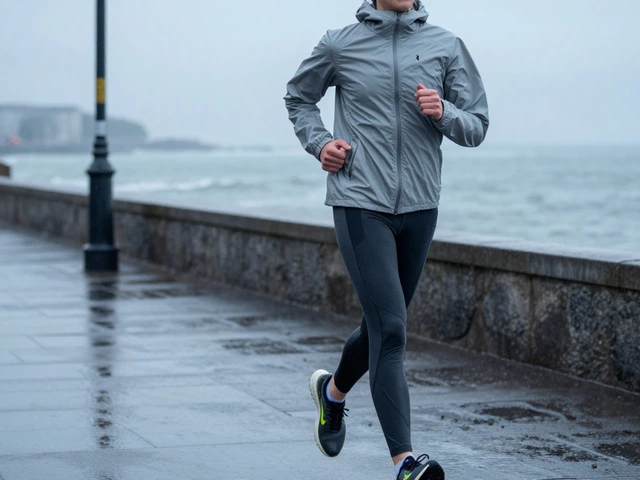
For those of us who frequent the local gyms in Dublin or Limerick, activewear is usually the winner. You want something that looks good and feels soft. But the moment you step outside for a run along the coast, you need the attributes of sportswear. Look for Moisture-Wicking is the ability of a fabric to pull sweat away from the skin to the surface of the fabric where it can evaporate fabrics. In Ireland, if your clothes soak up water (whether it's rain or sweat), you'll get chilled instantly. Sportswear is designed to push that moisture out, whereas basic activewear might just hold onto it, leaving you damp and miserable by the time you get home.
The Psychological Shift: Performance vs. Presence
There is also a mental game here. There's a reason people put on their "proper" gear before a big game. Wearing sportswear puts you in a performance mindset. It's a signal to your brain that it's time to compete. Whether it's a high-vis running jacket for safety on the roads of Kilkenny or a pair of specialized cleats, this gear is a tool for a job.
Activewear, on the other hand, is about presence and lifestyle. It tells the world you value health and wellness, but you also value your time and comfort. This is why we see so many people in the suburbs of Dublin wearing matching sets to the cafe. It's the "uniform" of the modern, health-conscious professional. It removes the friction between your workout and your social life. Why change clothes three times a day when you can find a high-quality set of leggings that works for both a HIIT class and a grocery run?
Common Pitfalls to Avoid
A big mistake people make is buying "sportswear" when they actually just want activewear. You might see a high-end compression suit and think it'll be great for your morning walk in the Phoenix Park. In reality, professional compression gear can be overly restrictive and overheating for a low-intensity stroll. You'll end up feeling like a squeezed sausage instead of a relaxed walker.
Conversely, don't try to use fashion-led activewear for high-impact sports. If you're entering a 5K run or a local football tournament, those cute, seamless leggings from a trendy brand might not have the support your muscles need. They can slide down during a sprint or lack the durability to handle a tumble on a wet field. For these moments, invest in a brand known for athletic engineering-look for things that mention "stability," "arch support," or "aerodynamics."
Can I wear activewear for high-intensity sports?
You can, but it might not be the best choice. Activewear is built for general movement. For high-intensity sports, you need sportswear that offers specific support, such as high-impact sports bras or reinforced fabrics that won't tear during aggressive movements. If you're just doing a light gym session, activewear is perfect. For a competitive match, go for technical sportswear.
Is athleisure the same as activewear?
Essentially, yes. Athleisure is the fashion trend of wearing activewear in non-athletic settings. While activewear describes the clothes themselves, "athleisure" describes the act of wearing them to the mall, the office (on a casual Friday), or out for lunch.
What fabrics should I look for in the Irish weather?
Look for synthetic blends like polyester and nylon for your outer layers because they dry faster than cotton. For winter, look for "thermal" or "brushed" linings in your leggings to keep the warmth in. Avoid 100% cotton for outdoor exercise in Ireland, as it absorbs water and will make you feel freezing cold the moment you stop moving.
Do I need different shoes for activewear and sportswear?
Absolutely. This is where the distinction is most critical. Activewear shoes (like lifestyle sneakers) are meant for walking and aesthetics. Sportswear shoes (like running shoes, football boots, or tennis shoes) are designed for specific foot movements and surface grips. Using a lifestyle sneaker for a long run can lead to blisters or joint pain.
Which is more expensive?
It varies. High-end activewear can be expensive due to the brand name and fashion appeal. However, professional-grade sportswear often costs more because of the research, development, and advanced materials (like carbon plates in running shoes) required to enhance athletic performance.
Next Steps for Your Wardrobe
If you're looking to refresh your gear, start by auditing your weekly routine. Do you spend more time in a gym in Dublin city center or hiking the trails of Kerry? If it's the former, focus on high-quality activewear-pieces that transition from the treadmill to the coffee shop. If it's the latter, prioritize technical sportswear with weather-proofing and durability.
For those just starting out, a "hybrid" wardrobe is the best bet. Get a few versatile activewear sets for your daily movements and invest in one or two pieces of high-performance sportswear (like a proper rain shell or specialized trainers) for when the Irish elements get serious. This way, you're always prepared, whether you're chasing a personal best or just chasing the kids around the park.