13
What is the Average Price for a Men's Suit in Ireland? A 2026 Guide
Men's Suit Cost Calculator (Ireland 2026)
Estimated Total
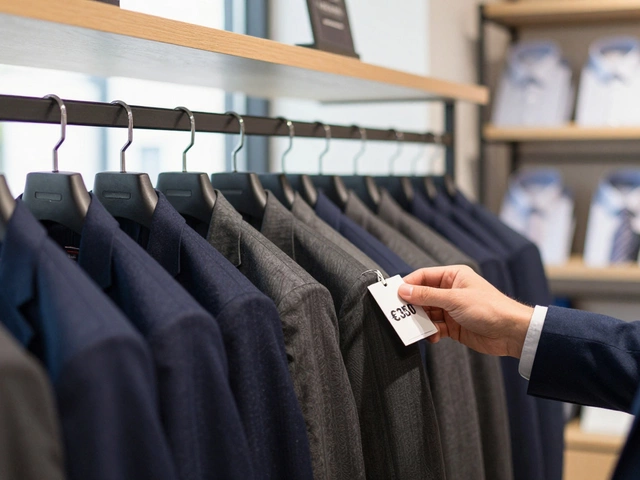
Walking into a tailor shop on Grafton Street or browsing the racks at Dundrum Town Centre, you might find yourself staring at a price tag that makes you double-take. One suit costs €150, while another looks nearly identical but demands €800. If you are wondering what is the average price for a mens suit in Ireland right now, the short answer is: it depends entirely on where you buy it and what you need it for. But if we had to pin down a realistic number for a decent, off-the-rack suit in 2026, expect to pay between €300 and €450. This gets you a solid wool blend from a mid-range retailer that will last more than one season.
The Irish market for men’s formalwear has shifted significantly over the last few years. With inflation hitting high street brands hard, the 'budget' tier has crept up, while local tailors have adjusted their rates to reflect the cost of living crisis. Whether you are preparing for a wedding in County Kerry, a job interview in Cork, or just want to look sharp for a night out in Temple Bar, understanding these price brackets is crucial to not overspending.
The Budget Tier: Under €200
You can find suits under €200, but you need to know what you are getting into. Stores like Primark, H&M, and occasionally sales at Marks & Spencer offer options in this range. In Dublin, you might also spot deals at outlet centres like Designer Village Kildare or factory outlets near Shannon Airport.
At this price point, you are usually looking at synthetic fabrics-polyester blends rather than pure wool. The lining might be glued rather than stitched, which means the suit won't breathe well during an Irish summer or keep you warm enough during a damp winter walk from the Luas stop to your venue. The cut is often generic, meaning you will likely need alterations. While €150 sounds tempting, remember that a poorly fitting cheap suit looks worse than a well-fitting modest one. This tier is best for one-off events where the suit won't see heavy use, such as a single funeral or a quick corporate presentation.
| Retailer Type | Average Price Range (€) | Typical Fabric | Best For |
|---|---|---|---|
| High Street Fast Fashion | €80 - €180 | Polyester/Blend | One-off events, students |
| Mid-Range Department Stores | €250 - €450 | Wool Blend/Pure Wool | Daily wear, interviews |
| Specialist Menswear Chains | €400 - €700 | Pure Wool/Cashmere Mix | Weddings, executive roles |
| Bespoke Tailors (Dublin/Galway) | €900 - €2,500+ | Super 110s+ Wool | Custom fit, longevity |
The Mid-Range Sweet Spot: €250 - €450
This is where most Irish men land when buying a new suit. Brands like Ted Baker, Reiss, and the higher-end lines at Brown Thomas or Penneys (Marks & Spencer) dominate this bracket. You can also find excellent value at specialist chains like Ryan Byrne or local independents in cities like Limerick and Galway.
In this range, you start seeing natural fibers. A suit here might be made of Super 100s wool, which is durable, breathable, and drapes better than synthetics. The construction is usually half-canvassed, meaning the chest area has some structure that holds its shape over time. If you work in an office in Sandyford or are attending multiple weddings this year, this is the smart investment. It balances cost with quality, ensuring you don't look like you rented the outfit.
Keep an eye out for seasonal sales. End-of-season clearances in January and July can drop a €400 suit to around €250. Irish retailers often run promotions around St. Patrick’s Day or before Christmas, so timing your purchase can save you hundreds.
The Premium & Bespoke Route: €700 and Up
If you have specific body proportions that off-the-rack suits struggle to accommodate, or if you simply demand the highest quality, bespoke tailoring is the answer. Dublin’s bespoke scene is vibrant, with historic tailors in Merrion Square and modern studios in Smithfield offering made-to-measure services.
A true bespoke suit starts around €1,200 and can easily exceed €2,500. This includes multiple fittings, hand-stitched details, and premium Italian or British wool. Made-to-measure (MTM) options, where you select a base pattern that is then altered to your measurements, sit in the €700-€1,000 range. This is a popular choice for grooms who want a perfect fit without the full bespoke price tag.
While expensive, a bespoke suit lasts decades. The fabric alone-often Super 120s or higher-resists wrinkling and wears softly over time. For professionals in law, finance, or politics in Leinster House, this isn't just clothing; it's a uniform of credibility.
Hidden Costs: Alterations and Accessories
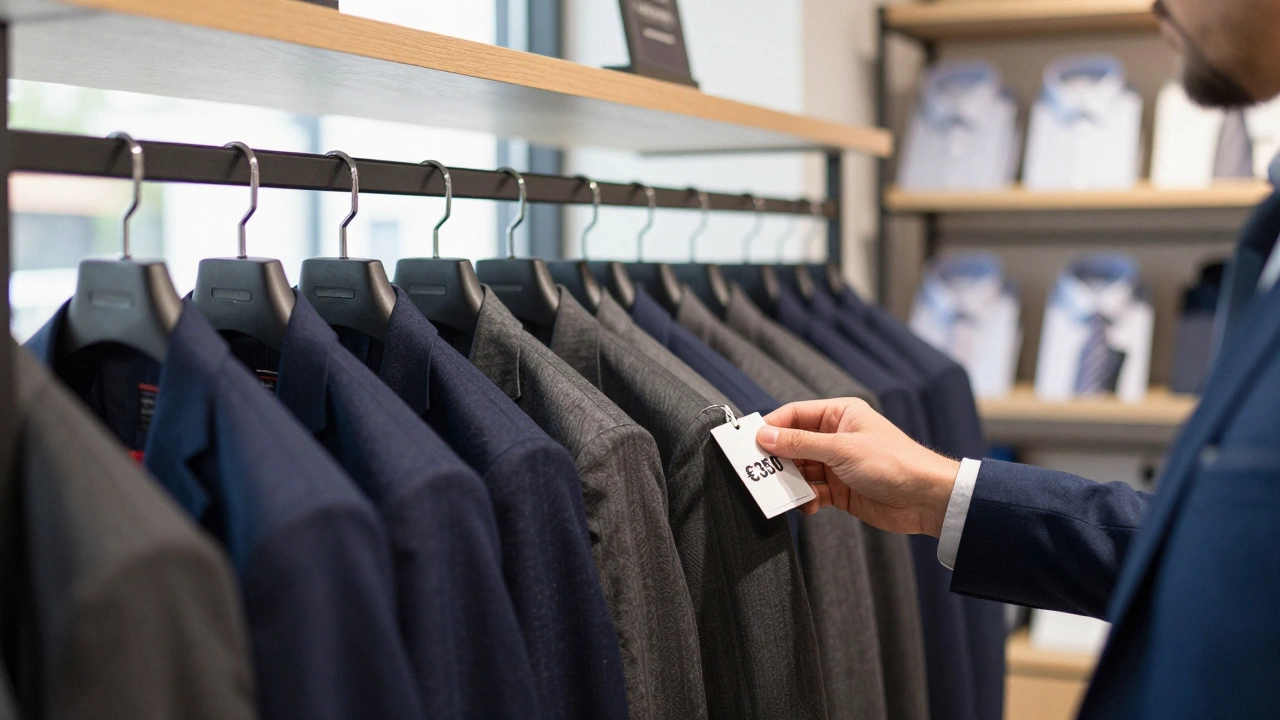
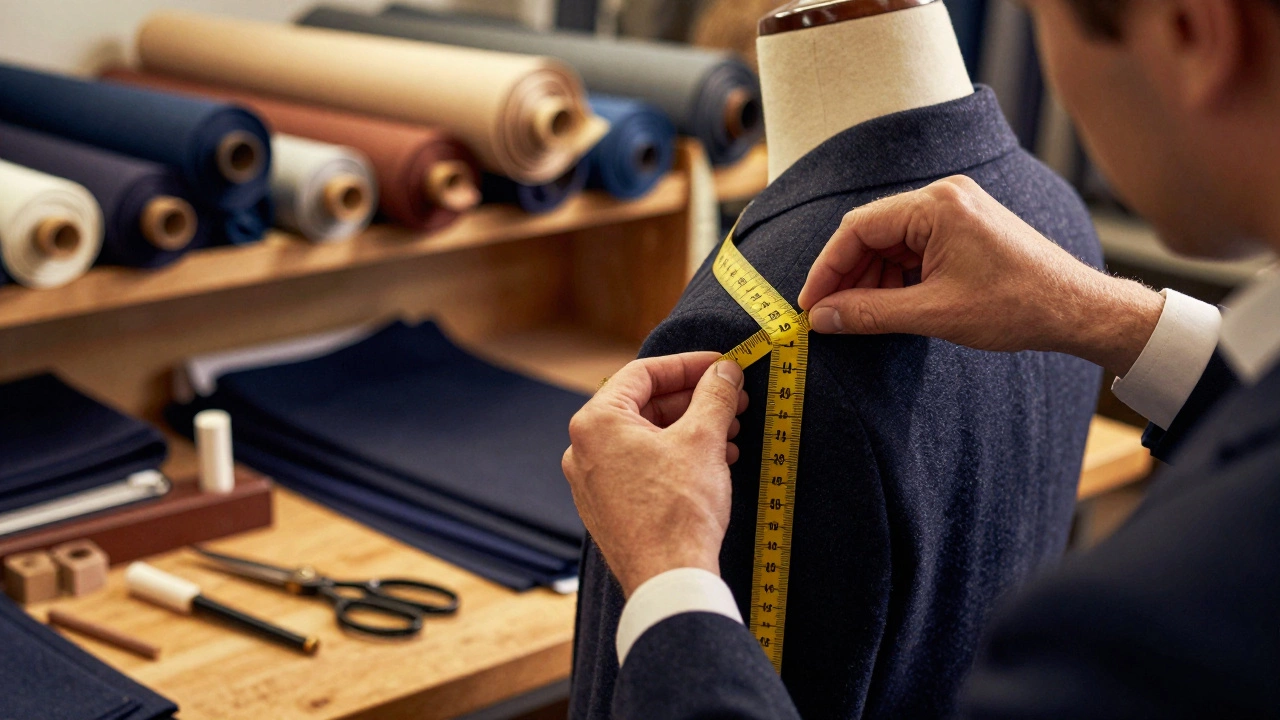
When calculating the total cost, never forget alterations. Even a €400 suit might need sleeve shortening, waist tapering, or trouser hemming. In Ireland, a good tailor charges between €30 and €60 for basic adjustments. Complex changes, like taking in the shoulders, can cost €100+. Always budget an extra €50-€100 for tailoring unless you are buying from a store that offers free minor alterations.
Accessories also add up. A decent tie from a local boutique might cost €30-€50. Leather shoes from a brand like Clarks or a local Cobbler could run €100-€150. Don’t underestimate the impact of a proper belt and socks. These small items complete the look and prevent a €400 suit from looking like a €150 one.
Where to Shop in Ireland: City vs. Regional
Dublin offers the widest selection, from luxury boutiques on Grafton Street to vast department stores like Brown Thomas and Arnotts. However, regional hubs have their own strengths. Cork’s English Market area has several independent menswear shops with personalized service. Galway’s Latin Quarter features trendy, contemporary styles suitable for creative industries. Belfast, while across the border, is a major hub for Northern Irish tailors who often serve customers from the Republic due to competitive pricing and heritage craftsmanship.
Online shopping has also changed the landscape. Irish-based online retailers often offer virtual fitting tools and easy returns. Just check the return policy carefully-some charge restocking fees. Shipping within Ireland is usually free over certain thresholds, making it convenient for those outside major cities.
Tips for Getting the Best Value
- Know Your Measurements: Before you shop, measure your chest, waist, inseam, and shoulder width. This helps you filter sizes quickly and avoid trying on dozens of ill-fitting options.
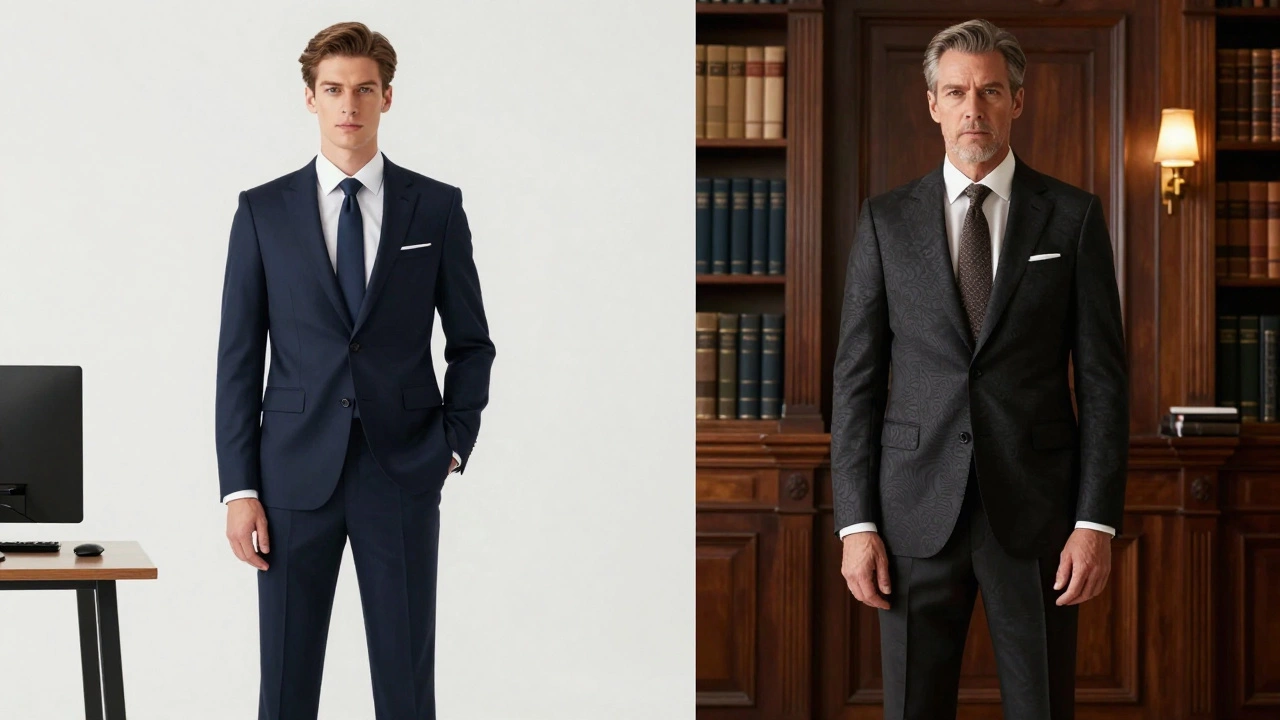
- Prioritize Fit Over Brand: A lesser-known brand that fits your body perfectly will always look better than a designer label that sags or pulls.
- Check the Fabric Label: Look for '100% Wool' or 'Wool Blend'. Avoid 'Polyester' if you plan to wear the suit regularly. Wool regulates temperature better, which is essential in Ireland’s unpredictable climate.
- Buy Off-Season: Suits are less urgent in spring and autumn. Retailers discount heavily to make room for new collections.
- Consider Second-Hand: Vintage shops in Dublin’s Liberties or online platforms like Vinted Ireland offer high-quality pre-owned suits at a fraction of the cost. Many vintage suits are made from superior materials no longer used today.
Conclusion: What Should You Spend?
There is no single 'right' price, but there is a right price for your needs. If you need a suit once a year, spend €150-€200. If you wear it weekly for work, invest €300-€450. If you want a heirloom piece, go bespoke for €1,000+. In Ireland, where style meets practicality, the key is balancing durability with budget. Don’t let peer pressure dictate your spend-choose what fits your life, your body, and your wallet.
Is it cheaper to buy a suit in Dublin or smaller towns?
Generally, prices are similar across Ireland for national chain stores like H&M or Marks & Spencer. However, bespoke tailoring tends to be more expensive in Dublin due to higher overheads. Smaller towns may have fewer options, but local independent tailors sometimes offer competitive rates to attract business. Online shopping levels the playing field, allowing access to nationwide deals regardless of location.
How much should I budget for suit alterations in Ireland?
Budget between €30 and €60 for standard alterations like hemming trousers or shortening sleeves. More complex adjustments, such as tapering the waist or adjusting the jacket shoulders, can cost €80-€120. Always ask for a quote before leaving the tailor. Some department stores include minor alterations with purchase, so check this benefit first.
Are second-hand suits a good option in Ireland?
Yes, especially if you look for high-quality vintage pieces. Shops in areas like Dublin’s Liberties or Cork’s city centre often carry well-maintained suits from reputable brands. Online platforms like Vinted and eBay Ireland also have robust markets. Just ensure you get them professionally cleaned and altered to fit properly. A €200 vintage suit tailored correctly can outperform a €400 new fast-fashion suit.
What is the difference between made-to-measure and bespoke?
Bespoke suits are built from scratch based on your unique measurements and preferences, involving multiple fittings and handcraftsmanship. Made-to-measure (MTM) starts with an existing base pattern that is then adjusted to your measurements. MTM is faster and cheaper (€700-€1,000) than bespoke (€1,200+), but bespoke offers superior customization and fit for complex body shapes.
When is the best time to buy a suit in Ireland?
The best times are during seasonal sales: January (post-Christmas clearance) and July/August (end-of-summer stock). Additionally, retailers often run promotions around St. Patrick’s Day and back-to-school periods. Avoid buying peak wedding season (May-September) if you want the best discounts, as demand drives prices up.