10
The Downside of Leather Shoes: Is It Worth It for the Irish Climate?
Shoe Choice Decision Tool: Irish Climate Edition
Find Your Perfect Pair
Answer these four questions to see if genuine leather is the right choice for your current needs or if a synthetic alternative would serve you better in the Irish rain.
Our Recommendation:
CategoryQuick Summary: The Trade-offs
- Weather Vulnerability: Not naturally waterproof; rain can cause permanent staining and warping.
- High Maintenance: Requires regular polishing and conditioning to prevent cracking.
- Break-in Period: Often causes blisters and discomfort during the first few wears.
- Ethical Concerns: Environmental impact of tanning and animal welfare issues.
- Price Point: Higher initial cost compared to synthetic alternatives.
The Battle Against the Irish Rain
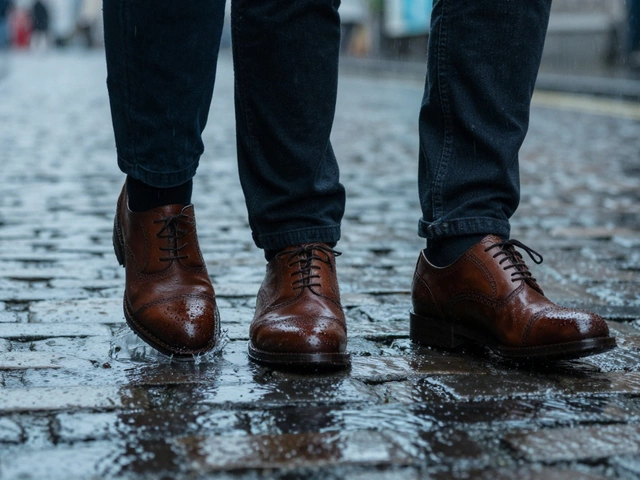
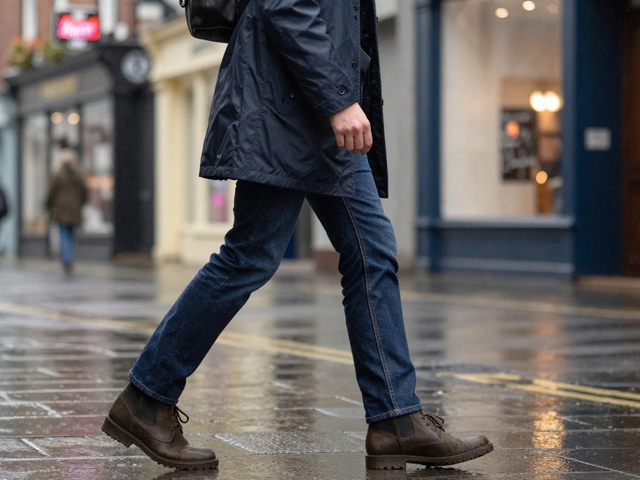
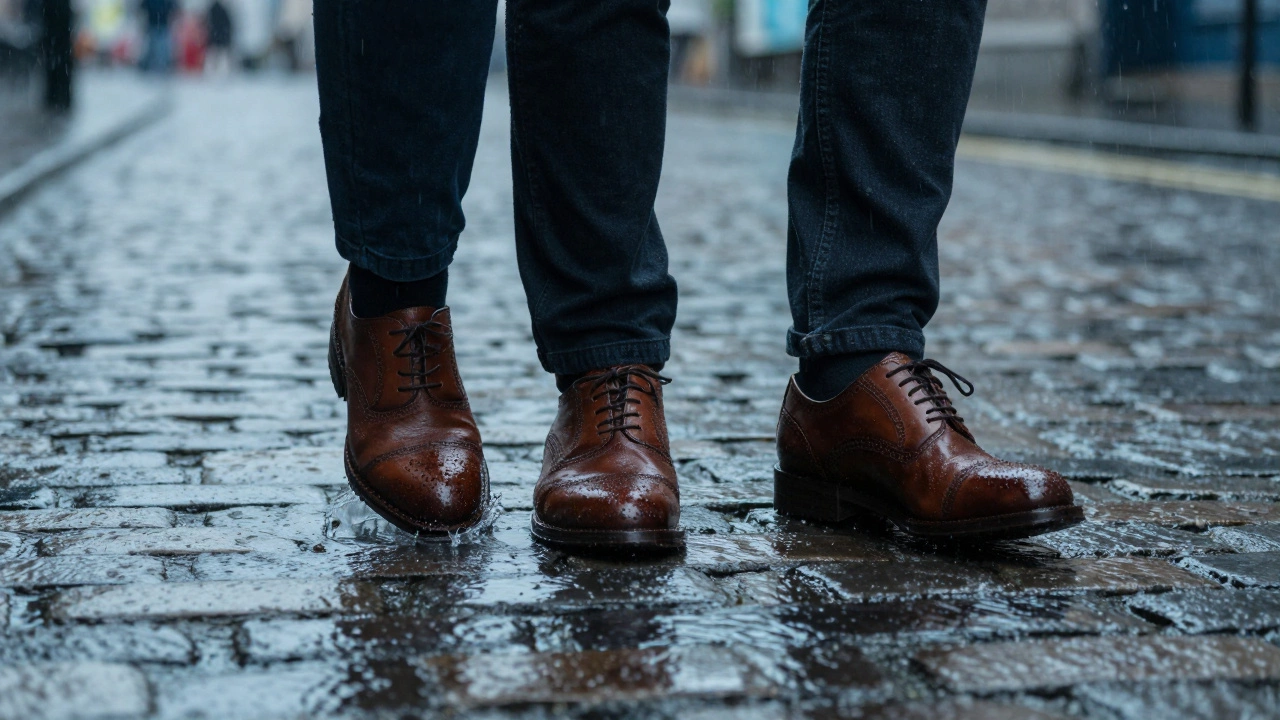
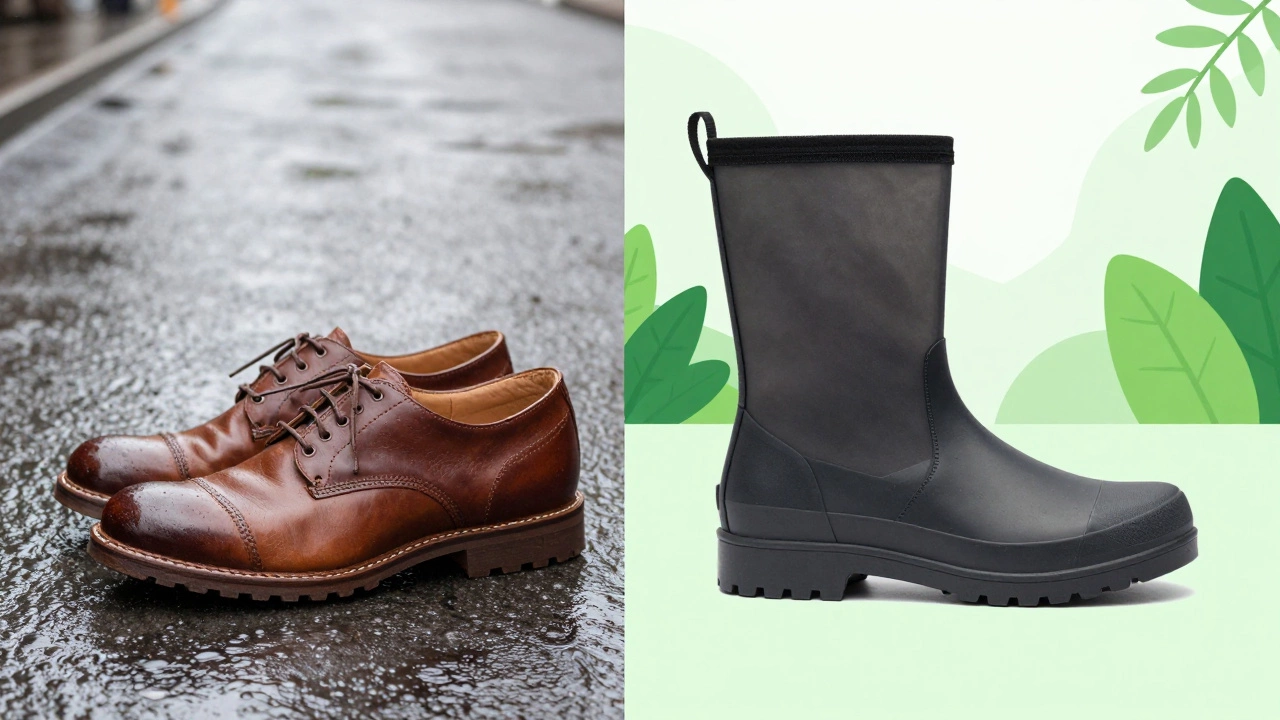
The biggest headache with Leather Shoes is how they react to moisture. Many people assume that because leather is a thick skin, it's naturally waterproof. In reality, unless they are specifically treated with heavy waxes, most leather shoes are porous. When you're navigating a rainy commute in Cork or walking through a misty morning in the Burren, water penetrates the grain. This doesn't just make your feet cold; it can actually ruin the structure of the shoe.
When leather gets soaked and then dries too quickly-say, by placing them right next to a radiator in a drafty cottage-the material shrinks and stiffens. This leads to cracking, especially across the toe box where the shoe flexes. You'll often see 'salt lines' forming on the edges of the soles during winter, which are minerals from the road salt used by councils to keep Irish roads clear. These salts eat away at the leather, leaving permanent white streaks that no amount of polish can truly hide.
The Painful Break-in Phase
We've all been there: you buy a stunning pair of oxfords for a formal event, but by the end of the first hour, your heels are screaming. Unlike Synthetic Materials or knit fabrics, high-quality leather is rigid. It takes time to mold to the unique shape of your foot. This 'break-in' period can last anywhere from a week to a month, depending on the thickness of the hide.
For those of us walking the cobblestones of Temple Bar or the hilly streets of Galway, this rigidity is a liability. If the leather is too stiff, it creates friction points that lead to blisters. While some suggest wearing thick socks to buffer the pain, this often makes the shoe too tight, cutting off circulation and making the walk even more miserable. You're essentially fighting the shoe until the material finally gives in and conforms to your foot.
Maintenance: A Second Job
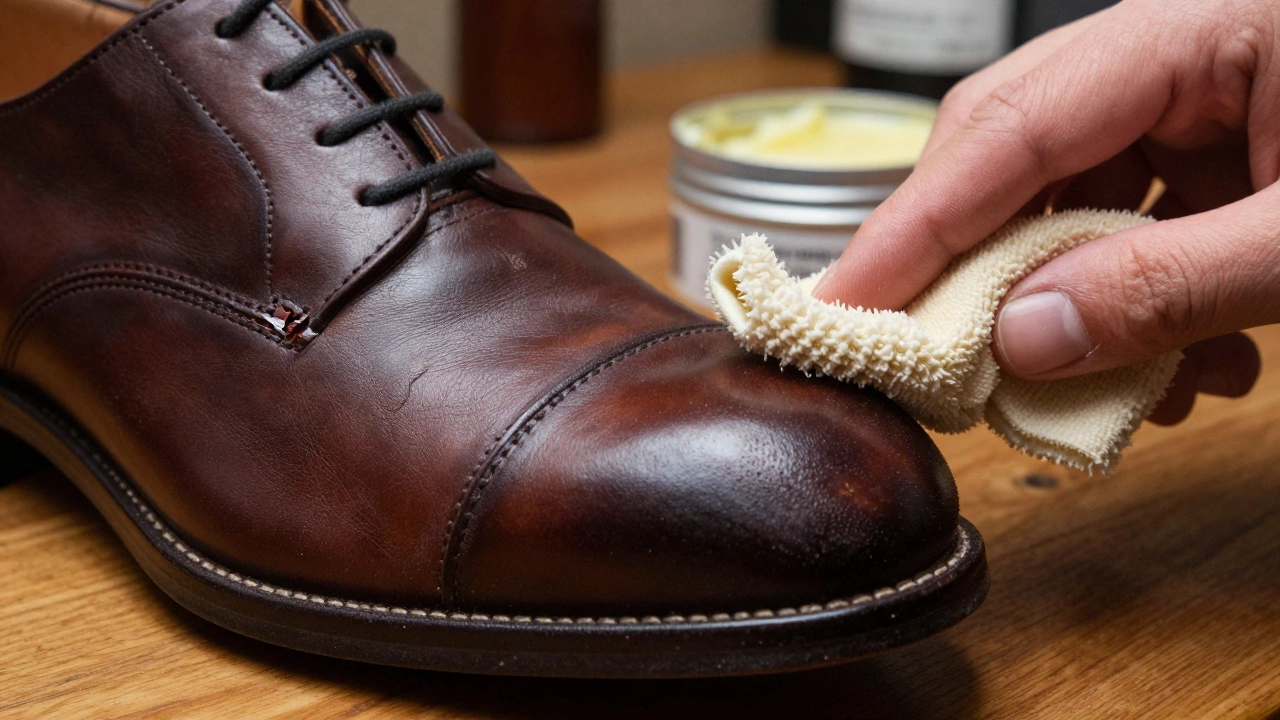
Owning leather shoes is less like owning a product and more like keeping a pet. You can't just throw them on and go. To keep them from looking like old boots found in a bog, you need a consistent routine. This involves Shoe Polish, conditioners, and cedar shoe trees.
| Feature | Genuine Leather | Synthetic/Vegan Leather |
|---|---|---|
| Water Resistance | Low (requires treatment) | High (naturally repellent) |
| Cleaning Effort | High (polishing, buffing) | Low (wipe with damp cloth) |
| Longevity | High (if maintained) | Medium (tends to peel) |
| Breathability | Excellent | Poor (can feel sweaty) |
If you neglect the conditioning, the leather dries out. In the damp Irish air, you might think they stay moist, but the wind and indoor heating actually strip the natural oils from the skin. Once those oils are gone, the leather loses its elasticity. You'll start seeing tiny hairline fractures in the surface. Fixing this requires a deep conditioning treatment, which is another chore added to your weekend list.
The Ethical and Environmental Cost
It's impossible to talk about the downsides of leather without mentioning the planet. The process of Tanning-turning a raw hide into a durable shoe-often involves heavy chemicals. Chrome tanning, the most common method, uses chromium salts that can pollute waterways if not managed correctly. While Ireland has strict environmental regulations, the global leather industry remains one of the most polluting in the world.
Then there's the animal welfare aspect. As more people in Ireland shift toward plant-based diets and sustainable living, the idea of wearing animal skin becomes a sticking point. Many are now opting for Vegan Leather or recycled materials that offer similar aesthetics without the moral baggage. While synthetic versions sometimes lack the breathability of the real thing, the peace of mind regarding the environment is a significant draw.
Cost and Long-Term Value
Let's be honest: a decent pair of leather shoes isn't cheap. Whether you're shopping at a high-end boutique in Grafton Street or a traditional cobbler in a rural village, the entry price is steep. You're paying for the quality of the hide and the craftsmanship. However, the 'investment' argument only works if you actually take care of them.
If you treat your shoes poorly-leaving them in a damp hallway or ignoring the scuffs-that expensive pair of shoes will look shredded within two years. At that point, the cost-per-wear becomes much higher than if you had simply bought a sturdy pair of synthetic boots. For the average person who doesn't want to spend their Sunday afternoon buffing toes, the financial risk is real.
Practical Alternatives for the Irish Lifestyle
Given these drawbacks, what should you actually wear? If you need something for the office but can't deal with the fragility of leather, look for 'water-resistant' treated leathers or high-end synthetic hybrids. These use a polymer coating that blocks rain while keeping the professional look. For those who spend their weekends hiking the Ring of Kerry or walking the dogs in Phoenix Park, a Gore-Tex lined boot is a far superior choice. It provides the structure of a shoe with a membrane that actually keeps the water out.
If you are dead set on leather, the secret is preventative care. Use a high-quality beeswax or a waterproof spray before the first wear. This creates a barrier that allows rain to bead off rather than soak in. Also, always use a shoe tree; it pulls the moisture out of the leather and maintains the shape, preventing the 'shrunken' look that happens after a heavy rainstorm.
Are leather shoes actually waterproof in Ireland?
Generally, no. Most leather is water-resistant but not waterproof. In heavy Irish rain, water will eventually seep through the pores or the stitching. To make them truly waterproof, you need to apply a wax-based sealant or a professional waterproofing spray.
How do I stop my leather shoes from cracking in winter?
The key is conditioning. Use a leather balm or conditioner every few weeks to keep the material supple. Most importantly, never dry wet leather shoes on a radiator, as this sucks the moisture out too quickly and causes the leather to shrink and crack.
Do leather shoes smell more than synthetic ones?
Actually, leather is usually more breathable than synthetics, which helps reduce sweat and odor. However, if the leather absorbs external odors (like dampness or smog), those smells can linger. Using cedar shoe trees helps absorb both moisture and odors.
Is vegan leather a good alternative for rainy weather?
Yes, in terms of water resistance, vegan leather (often made from polyurethane) is usually superior because it doesn't absorb water. The downside is that your feet may get sweatier because the material doesn't breathe as well as genuine leather.
How long does it typically take to break in new leather shoes?
Depending on the stiffness of the leather, it can take anywhere from 5 to 15 wears. To speed this up, wear them for short periods around the house with thick socks before taking them out for a full day of walking on the streets.