Safety Footwear Standards: What Irish Workers Really Need to Know
When you step onto a construction site, a farm, or even a wet kitchen floor in Ireland, your shoes aren’t just about comfort—they’re your first line of defense. Safety footwear standards, a set of rules that define how protective work shoes must perform under real-world conditions like slips, impacts, and water exposure. Also known as PPE footwear, these standards aren’t suggestions—they’re legal requirements in workplaces across Ireland. If your boots don’t meet them, you’re not just risking your feet—you’re risking your job.
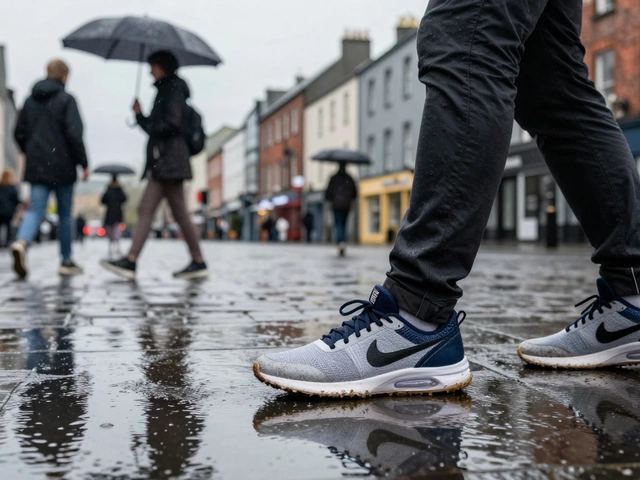
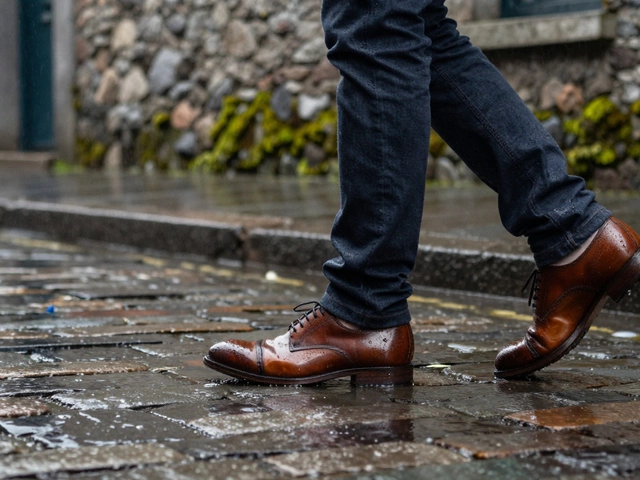
These standards aren’t the same as regular shoes. They’re tested for things like steel toes that can handle 200 joules of impact, sole grip that won’t slide on wet cobblestones, and materials that resist oil, chemicals, and the damp Irish climate. In Ireland, where rain turns parking lots into lakes and construction sites into mud pits, a pair of boots that pass EN ISO 20345—the European safety standard—can mean the difference between a safe day and a hospital visit. You’ll see these boots in warehouses in Cork, on building sites in Dublin, and on dairy farms in Galway. They’re not flashy. They’re not trendy. But they’re the only thing standing between you and a broken toe, a slipped ankle, or worse.
What makes Irish safety footwear different isn’t just the rules—it’s the environment. A boot that works in a dry warehouse in Germany might fail here after two weeks of constant rain. That’s why Irish workers trust brands that test their gear in local conditions—not just on a lab floor. Look for boots with waterproof membranes, deep tread patterns, and insulation that doesn’t trap sweat. And don’t be fooled by labels that say "work boot" without certification marks. Real safety footwear has the CE mark, a class number (like S1P or S3), and often a green or yellow sole. These aren’t decorations—they’re proof.
Employers in Ireland are legally required to provide proper safety footwear if the job demands it. But too often, workers end up buying their own—because the ones handed out are cheap, ill-fitting, or just plain broken. That’s why knowing the standards matters. If your boots crack after a month, if your toes go numb from cold, or if you’re slipping every time you turn around, you’re not being lazy—you’re being underserved. The right pair lasts. It protects. And it doesn’t cost more than replacing injured workers.
Below, you’ll find real stories from Irish workers who learned the hard way what safety footwear standards actually mean. From factory floor mishaps to farmyard slips, these aren’t theoretical checks on a form—they’re lessons written in mud, rain, and pain. Whether you’re buying your first pair or replacing worn-out ones, this collection gives you what you need: no fluff, no marketing, just the facts that keep you standing.
22
Why Irish Schools Are Banning Crocs - The Real Reasons Behind the Footwear Policy
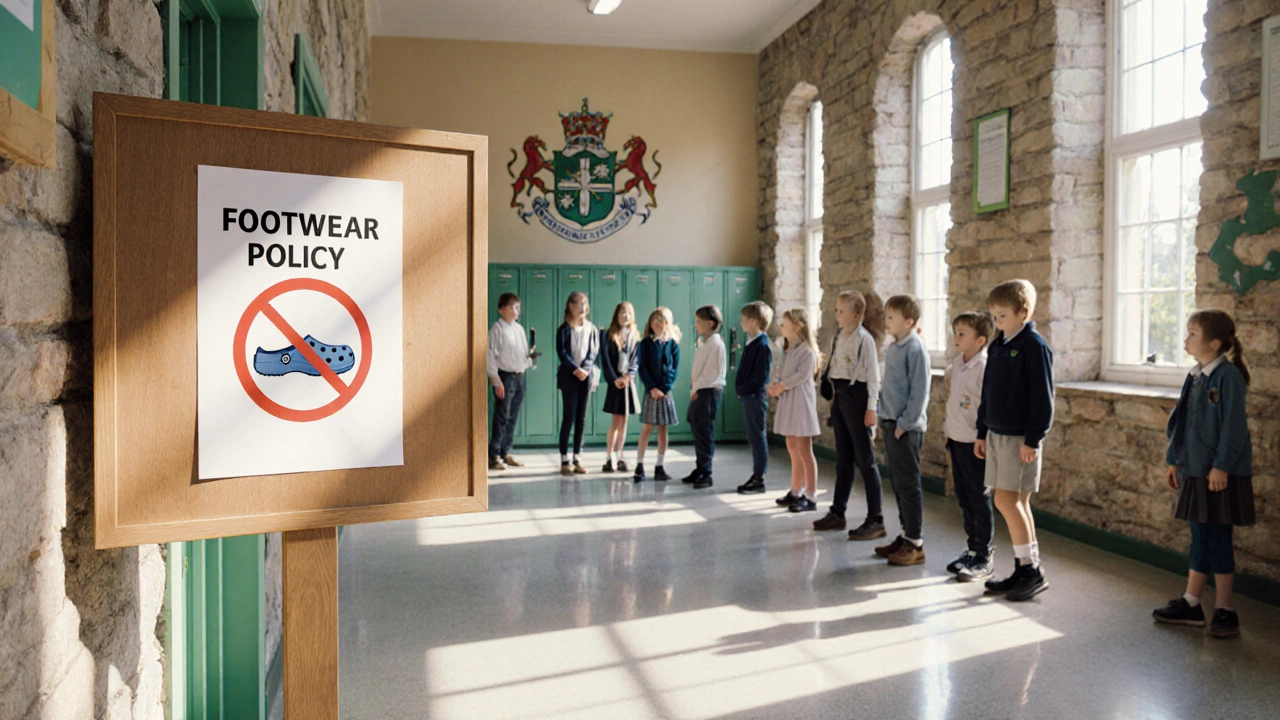
Explore why Irish schools are banning Crocs, covering safety, uniform policies, legal guidance, and practical alternatives for parents and students.