27
How to Pick a Man's Suit in Ireland: Fit, Fabric & Local Style Guide
Irish Style Suit Builder
Walking down Grafton Street or heading into a boardroom in Dublin’s Docklands, you’ve likely noticed that men here take their suits seriously. But picking the right one isn’t just about grabbing the first navy jacket you see in a high-street shop. Whether you’re dressing for a wedding in County Cork, a funeral in Galway, or a client meeting in Belfast, the rules of engagement are specific. In Ireland, where weather shifts from dry heat to driving rain in minutes and social etiquette values understated elegance, choosing a man’s suit requires a blend of practical sense and style awareness.
This guide cuts through the noise. We’ll look at fit, fabric, color, and where to actually find quality tailoring without breaking the bank. If you want to look sharp, feel comfortable, and respect local norms, start here.
The Golden Rule: Fit Over Brand
You can buy a €500 suit that looks like a sack, or a €150 suit that looks bespoke. The difference is alteration. In Ireland, we have a strong tradition of tailoring, and ignoring it is the biggest mistake people make. Off-the-rack suits are made for a generic body shape-usually broad shoulders and narrow hips. Most men don’t match that template perfectly.
Here is what you need to check immediately when you try on a suit:
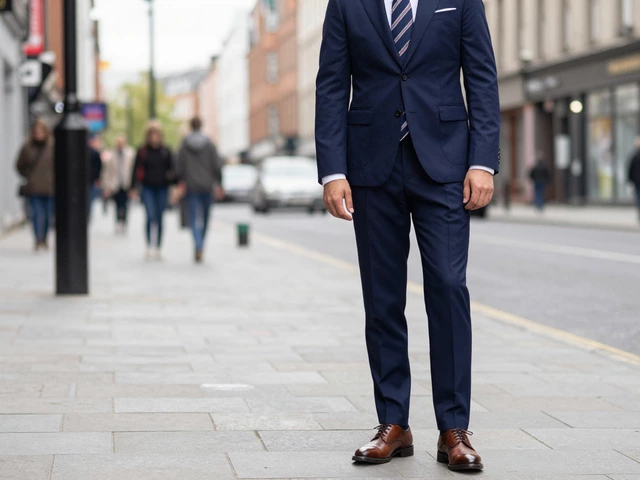
- The Shoulders: This is non-negotiable. The seam of the jacket should end exactly where your shoulder bone ends. If it hangs over, it’s too big. If it pulls tight, it’s too small. You cannot easily fix shoulders with a tailor.
- The Collar: The back of the jacket collar should sit flush against your neck. If there’s a gap, the jacket is too loose around the upper back.
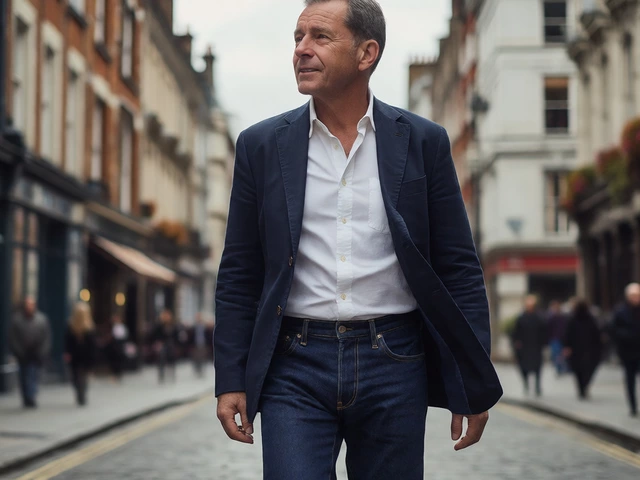
- The Sleeves: Your shirt cuff should peek out by about half an inch (1.2 cm). If your wrists are bare, the sleeves are too short.
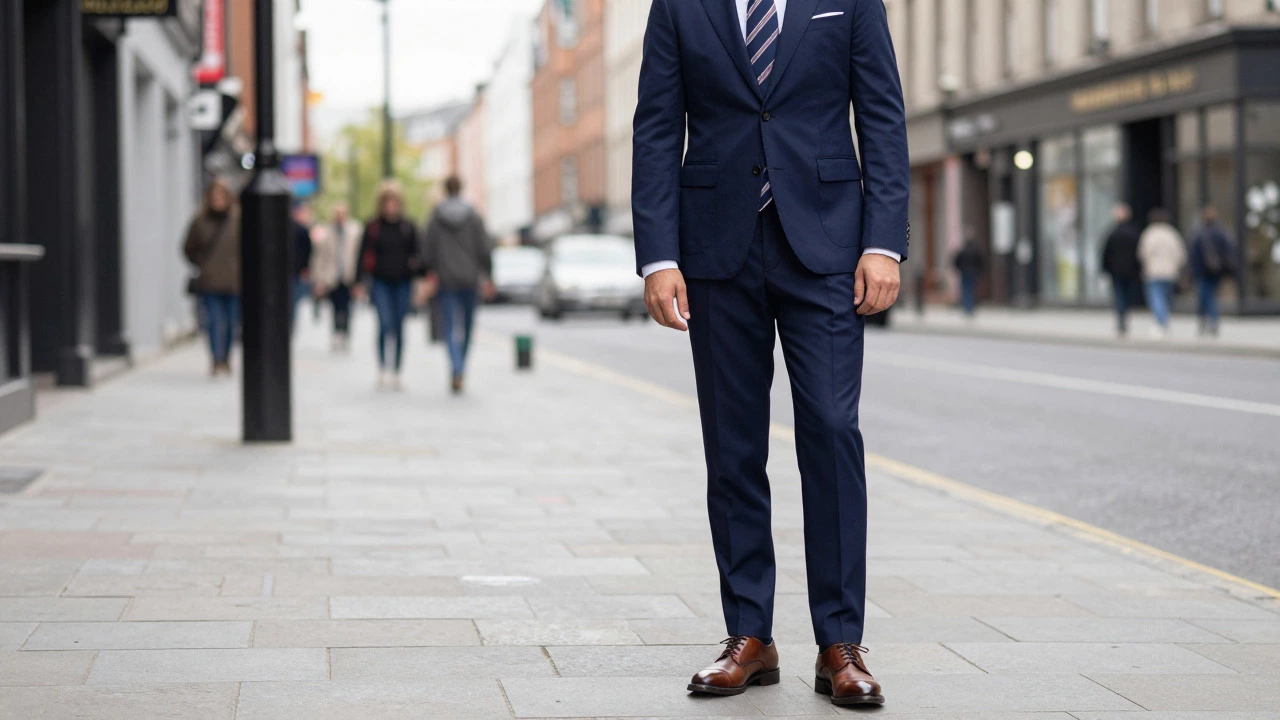
- The Trousers: A slight break is still standard for formal events in Ireland. ‘No break’ (where the trouser hems just touch the shoe) looks modern but can appear sloppy if not tailored precisely. Avoid pooling fabric on the shoes-it looks unkempt.
If you buy a suit off the rack, budget an extra €40-€80 for alterations. A good tailor in cities like Limerick, Waterford, or Dundalk can transform a mediocre jacket into something that looks custom-made. Look for tailors who advertise ‘bespoke adjustments’ rather than just hemming pants.
Fabric Matters More Than You Think
Irish weather is unpredictable. One minute it’s sunny in Killarney, the next it’s pouring. Your suit fabric needs to handle this. Most suits are made from wool, but not all wool is created equal.
Avoid cheap polyester blends if you can. They trap heat, hold odors, and wrinkle easily. Instead, look for 100% wool or wool-blend fabrics. Here is how to choose based on your needs:
| Fabric Type | Best For | Pros | Cons |
|---|---|---|---|
| Super 100s-120s Wool | Daily wear, office, weddings | Durable, breathable, resists wrinkles well | Slightly heavier than high-count wools |
| High-Count Wool (130s+) | Summer events, luxury occasions | Incredibly soft, lightweight, drapes beautifully | Delicate, wears out faster, expensive |
| Tweed / Donegal Tweed | Autumn/Winter, rural settings | Warm, rugged, distinctly Irish aesthetic | Bulky, not suitable for summer or slim fits |
| Cotton / Linen Blends | Summer weddings, outdoor events | Cool, breathable, casual vibe | Wrinkles instantly, hard to keep crisp |
For most men in Ireland, a Super 110s or 120s wool is the sweet spot. It’s durable enough for daily commute travel on the Luas or train, yet refined enough for a night out in Temple Bar. If you live in the west coast, consider a slightly heavier weave to block wind chill.
Color Choices: What Works in Ireland
While Milan might favor bold patterns and New York leans into dark charcoal, Ireland has its own palette preferences. The goal is versatility. You want a suit that works for work, a wedding guest appearance, and a funeral.
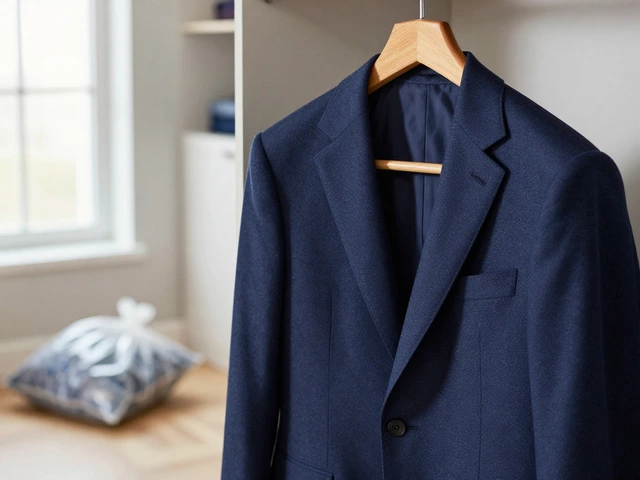
Navy Blue is the undisputed king. It looks professional in a corporate setting, respectful at a funeral, and festive enough for a wedding if paired with the right tie. A mid-to-dark navy suit is more versatile than black. Black suits are often associated with funerals or service staff in Ireland unless you’re going for a very specific tuxedo look. Wearing a black suit to a daytime wedding can sometimes be seen as overly somber or trying too hard.
Charcoal Grey is the second best choice. It’s serious, slimming, and pairs well with almost any shirt color. Light grey is great for spring and summer but can look washed out in winter.
Patterned Suits: Subtle patterns like pinstripes or birdseye are acceptable in business contexts, especially in financial hubs like Dublin. However, avoid loud checks or bright colors unless you’re attending a creative industry event or a very informal gathering. In rural areas or traditional settings, solid colors are always safer.
Style Details: Lapels, Vents, and Buttons
These details define the character of the suit. Getting them wrong can make you look dated or out of place.
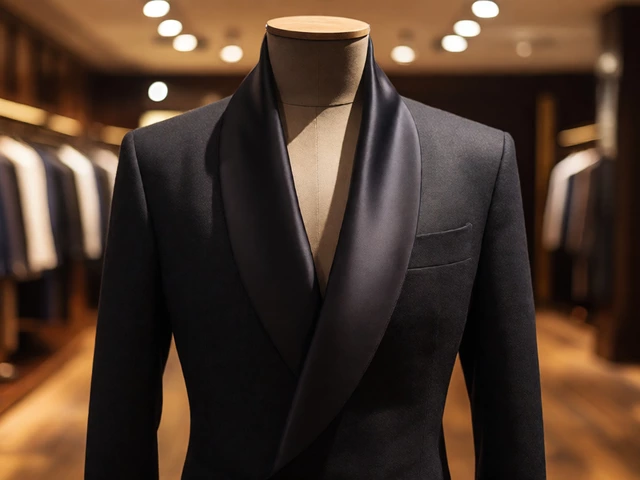
Lapels: There are two main types: notch lapels and peak lapels. Notch lapels (the standard V-shape) are versatile and appropriate for single-breasted jackets. Peak lapels (pointing upwards) are traditionally found on double-breasted jackets and tuxedos. For a modern, clean look, stick to notch lapels with a width of about 3 inches (7.5 cm). Skinny lapels (under 2.5 inches) are currently out of fashion and can make you look like you’re wearing a costume.
Vents: This refers to the slits at the back of the jacket. Single vents (center slit) are common in American-style suits but can bunch up when you put your hands in your pockets. Double vents (side slits) are the British and Irish standard. They allow the jacket to hang cleanly even when your hands are in your pockets, which is crucial for maintaining a polished look while walking through crowded streets or pubs.
Buttons: A two-button jacket is the most standard and flattering length for most heights. Three-button jackets are also popular but ensure the top button remains unbuttoned. One-button jackets are risky; they can look trendy on some and awkward on others. Stick to two buttons for safety.
Where to Buy in Ireland
Shopping for suits in Ireland offers a mix of high-street convenience and independent craftsmanship. Your choice depends on your budget and timeline.
High Street Retailers: Stores like Marks & Spencer, John Lewis (via online delivery), and H&M offer affordable options. M&S is particularly known for consistent sizing and decent quality wool blends. These are great for entry-level suits or if you’re on a tight budget. Expect prices between €150 and €300.
Specialist Menswear: Brands like Reiss, Ted Baker, and Massimo Dutti carry higher-quality fabrics and better cuts. You’ll find these in major shopping centers like St. Stephen’s Green Centre in Dublin or the Mall in Cork. Prices range from €300 to €600.
Independent Tailors: For a truly personalized experience, seek out local tailors. In Dublin, shops on Grafton Street and Merrion Row offer bespoke services. In smaller towns, ask for recommendations from local churches or community centers-they often know the best craftsmen. Bespoke suits can cost €1,000+, but they last decades. Semi-bespoke (made-to-measure) is a middle ground, costing €500-€800.
Don’t forget to check local charity shops and vintage stores. In cities like Galway and Kilkenny, you can occasionally find high-end brands like Hugo Boss or Ralph Lauren for a fraction of the retail price. Just be prepared to pay for alterations.
Accessories That Complete the Look
A suit is only as good as its accessories. In Ireland, subtlety is key. Avoid flashy ties or loud pocket squares unless you’re making a deliberate statement.
- Ties: Silk ties in solid colors or subtle patterns (stripes, dots) are safe. Navy, burgundy, and forest green work well with navy and grey suits. Keep the knot neat-a four-in-hand or half-Windsor knot is standard.
- Shoes: Brown leather shoes (oxfords or derbies) pair best with navy and grey suits. Black shoes are reserved for black suits or very formal evening wear. Ensure your shoes are polished. Scuffed shoes ruin an otherwise perfect outfit.
- Belts: Match your belt to your shoes. A simple black or brown leather belt with a modest buckle is sufficient. Avoid large logos or decorative buckles.
- Pocket Squares: Optional but recommended. A white linen pocket square folded neatly adds a touch of class without being distracting.
Common Mistakes to Avoid
Even experienced shoppers make these errors. Watch out for:
- Buying Too Small: Trying to squeeze into a smaller size creates tension lines and restricts movement. Go for comfort first, then tailor it down.
- Ignoring the Shirt: A wrinkled or ill-fitting shirt undermines the suit. Invest in a few good cotton shirts that fit your chest and arms properly.
- Wrong Seasonal Fabric: Wearing heavy wool in July or light linen in January makes you uncomfortable and looks out of place.
- Over-Accessorizing: Less is more. A watch, a tie, and a pocket square are enough. Skip the bracelets and excessive jewelry.
Picking a man’s suit in Ireland is about balancing tradition with personal comfort. By focusing on fit, choosing the right fabric for our climate, and respecting local style norms, you can build a wardrobe that serves you well for years. Whether you’re stepping into a courtroom in Dublin or a wedding venue in Kerry, looking sharp starts with knowing what works-and what doesn’t.
What is the best suit color for a wedding in Ireland?
Navy blue is the safest and most versatile choice for a wedding in Ireland. It looks formal enough for the ceremony but isn’t as somber as black. Charcoal grey is also an excellent alternative, especially for autumn or winter weddings. Avoid white or ivory, as those colors are typically reserved for the groom.
Should I wear a three-piece suit in Ireland?
A three-piece suit (with a waistcoat) is stylish and adds warmth, which can be useful in cooler months. However, it’s less common in everyday business settings. It’s perfect for weddings, formal dinners, or creative industries. Make sure the waistcoat fits snugly without pulling, and always keep the jacket buttoned when standing.
Where can I get suit alterations done in Dublin?
Dublin has many reputable tailors. Areas like Grafton Street, Merrion Row, and George’s Street have several established shops offering both quick repairs and full alterations. In suburbs like Rathmines or Clondalkin, local dry cleaners often have in-house tailors. Always ask for a consultation before leaving your suit to ensure they understand the desired fit.
Is it okay to wear a suit to a pub in Ireland?
Yes, but context matters. In urban areas like Dublin or Cork, wearing a suit to a pub is common, especially on weekends or during events. However, you might stand out in rural pubs where casual attire is the norm. If you’re unsure, opt for smart-casual: chinos, a button-down shirt, and loafers instead of a full suit.
How much should I spend on my first suit?
For a first suit, aim for a budget of €200-€400. This allows you to buy a decent off-the-rack suit from retailers like Marks & Spencer or Uniqlo and spend €50-€80 on essential alterations. Investing in a higher-quality suit initially saves money in the long run because it lasts longer and maintains its shape better than cheap polyester blends.