18
Best Shoes for Standing All Day: Comfort Guide for Irish Workers
Work Shoe Recommendation Finder
Find the ideal footwear based on your Irish workplace and environment
Recommended Fit
SupportiveBased on your settings, we suggest:
--
Select your workplace and concerns to see your personalized shoe recommendation.
Key Takeaways for All-Day Comfort
- Prioritize arch support and cushioning to reduce joint fatigue.
- Choose water-resistant materials for the Irish climate.
- Rotate between two pairs of shoes to let the foam recover.
- Match the sole type to your specific work surface (e.g., non-slip for hospitality).
Why Your Regular Sneakers Aren't Cutting It
Many of us make the mistake of wearing standard gym shoes to work. While they look great, there is a massive difference between shoes designed for linear movement (like running) and those designed for static loading (standing). When you stand still, your weight compresses the midsole. If that foam is too soft, you bottom out, and your arches collapse. This is why you might feel fine at 10 AM but be in agony by 4 PM.
For those working in Healthcare is a sector requiring high-impact cushioning and antimicrobial materials , the strain is even higher. Whether you're a nurse in St. James's Hospital or a carer in a community setting, you need a shoe that manages "foot fatigue." This happens when the muscles in your feet overwork to keep you balanced on hard floors, leading to that heavy, throbbing sensation.
The Anatomy of a Perfect Work Shoe
Not all cushioning is created equal. To avoid the dreaded end-of-shift ache, look for these specific technical attributes:
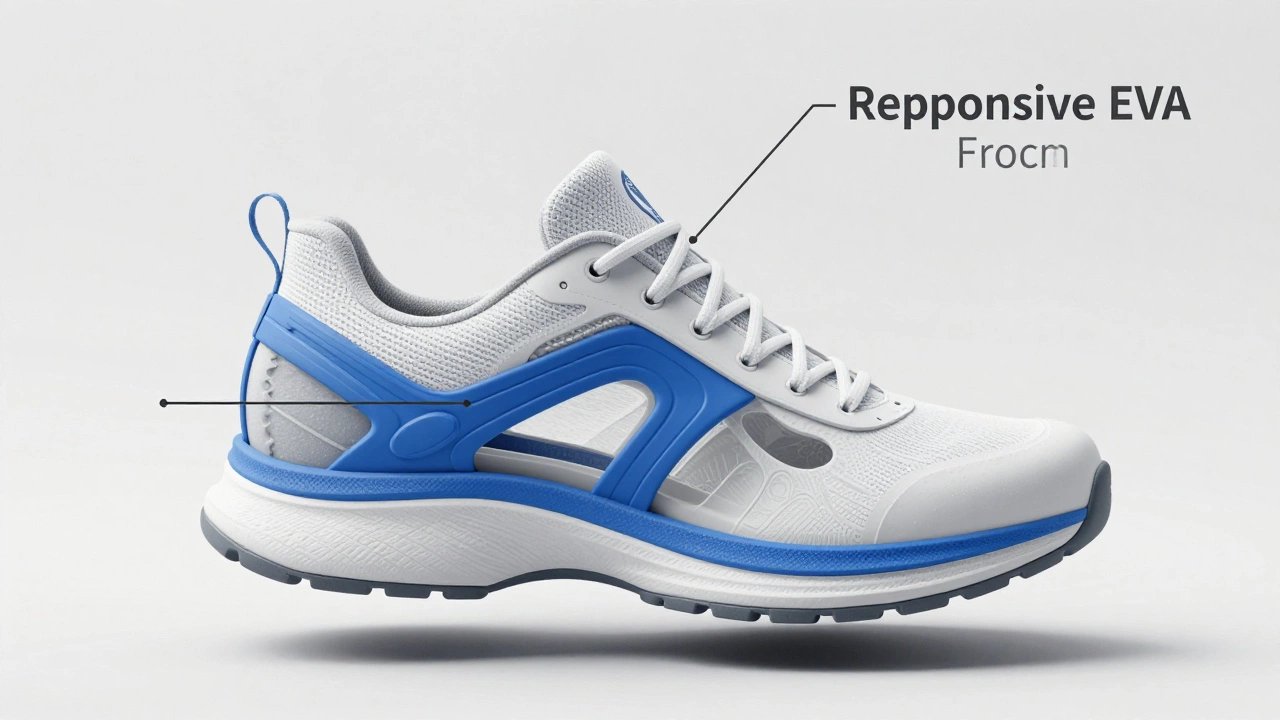
- The Midsole: Look for EVA Foam is a lightweight, closed-cell foam used for shock absorption in athletic footwear or polyurethane. Polyurethane is denser and lasts longer, which is ideal for those walking miles of corridors in a warehouse.
- The Toe Box: Your feet naturally swell throughout the day. If the toe box is too narrow, you'll end up with blisters or pinched nerves. Aim for a "wide" or "anatomical" fit.
- Arch Support: A flat sole is a nightmare for anyone with high or flat arches. You need a contoured footbed that distributes your weight across the entire sole of the foot, not just the heel.
- Outsole Grip: Given the rainy nature of the Irish landscape, a Rubber Sole is a durable material providing high friction and slip resistance on wet surfaces is non-negotiable, especially for those in hospitality or retail.
| Work Setting | Best Shoe Type | Key Feature | Example Brand/Style |
|---|---|---|---|
| Hospitals/Clinics | Professional Clogs/Sneakers | Waterproof & Easy-clean | Skechers Work or Dansko |
| Retail (e.g., Grafton St) | Supportive Trainers | Maximum Cushioning | Hoka or New Balance |
| Hospitality/Cafés | Non-slip Loafers/Sneakers | Oil/Water Resistance | Crocs Work Line |
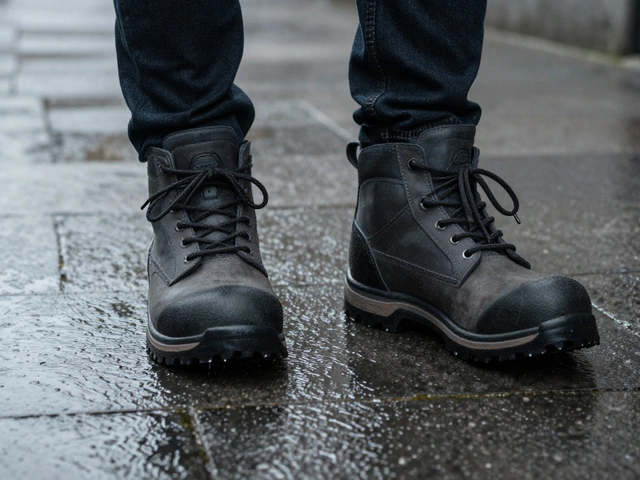
| Warehousing/Logistics | Safety Shoes (Steel Toe) | Impact Protection | Caterpillar or DeWalt |
Top Picks for the Irish Workforce
If you're shopping at stores like Penhaligon's or browsing the aisles of Elverdens, you'll see a lot of options. Here is how to narrow them down based on real-world usage.
For those who need maximum shock absorption, Hoka is a footwear brand known for oversized midsoles and a rocking geometry that reduces pressure on the foot has become a cult favorite among Irish nurses and pharmacists. The "rocker sole" helps move you forward, meaning your foot spends less time in the high-pressure phase of a step.
If you work in a more formal environment where trainers aren't allowed, look into Clarks is a heritage footwear company specializing in comfort-led leather shoes with supportive footbeds . Their leather options provide a professional look while still offering the cushioning needed for an eight-hour shift in a corporate office in the IFSC.
For the hospitality sector-think busy pubs in Temple Bar or cafés in Cork-slip resistance is the priority. Crocs is a brand producing lightweight, foam-based clogs, specifically their professional line with non-marking, slip-resistant treads offers a specialized "Work' line. These aren't the classic holes-in-the-top clogs; they are closed-toe, waterproof, and designed specifically for spills and splashes.
Dealing with the Irish Weather
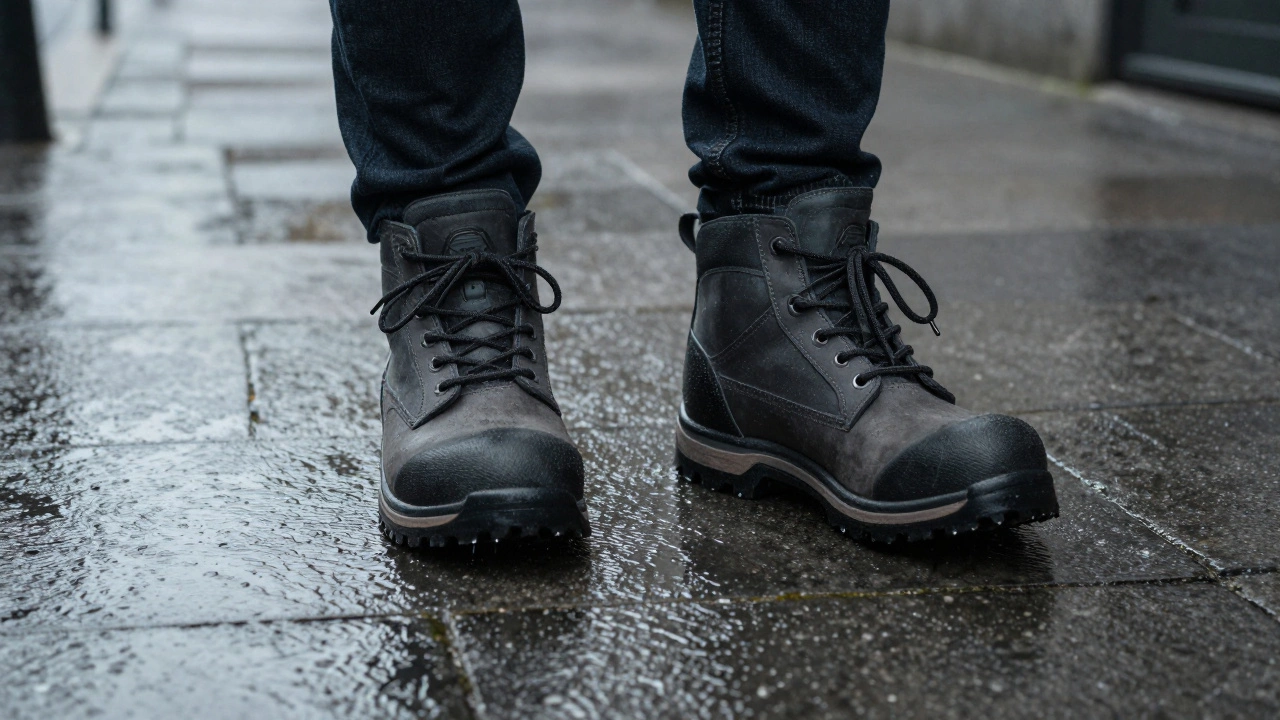
In Ireland, "water-resistant" is a requirement, not a luxury. A mesh sneaker might be breathable, but the moment you step outside for a lunch break in a typical October drizzle, your feet are soaked. Wet feet lead to friction, which leads to blisters.
Look for shoes treated with Gore-Tex is a waterproof, breathable fabric membrane that keeps water out while allowing moisture vapor to escape . While more expensive, it's a game-changer for those whose work involves moving between indoors and outdoors, like delivery drivers or site managers. If you can't afford Gore-Tex, a high-quality beeswax or silicone spray can help repel water from leather work shoes.
The Secret to Long-Term Foot Health: Shoe Rotation
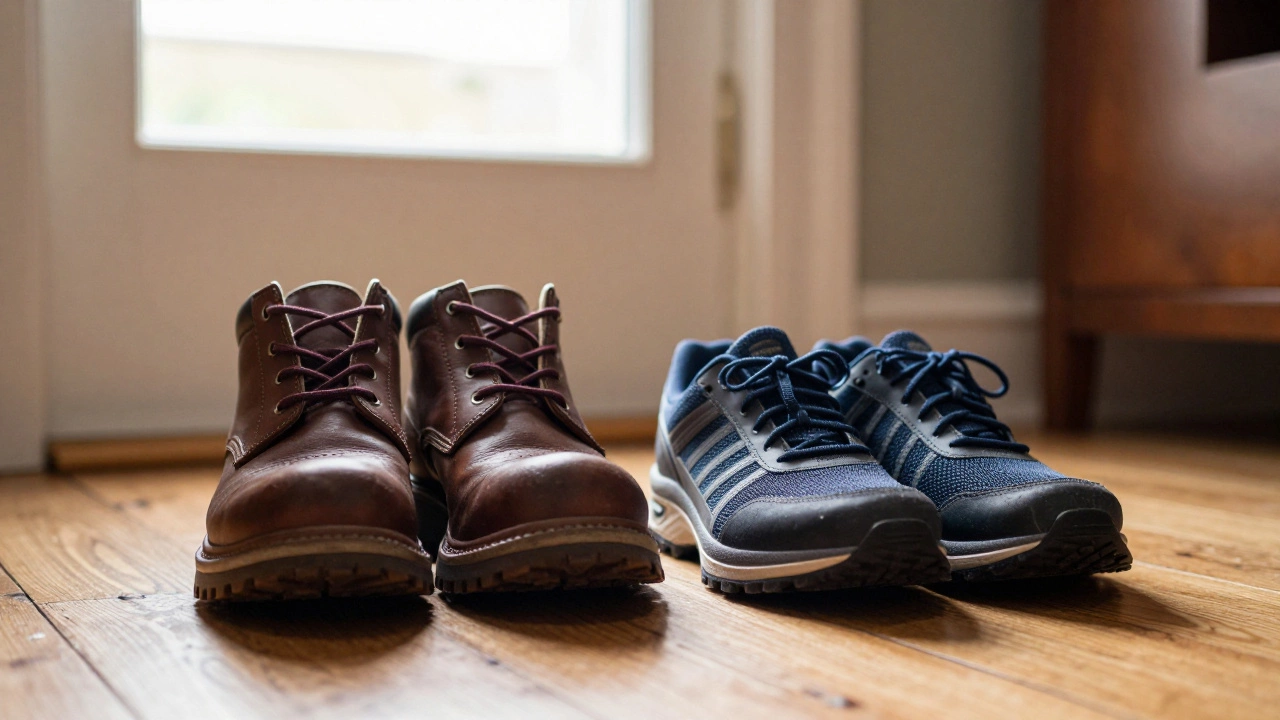
One of the biggest mistakes people make is wearing the same pair of shoes every single day. Even the best high-tech foam needs time to "decompress." If you wear the same pair for five days straight, the foam stays compressed, and you lose the support.
The pro move is to have two pairs of work shoes and alternate them daily. This doesn't just save the shoes; it changes the pressure points on your feet, which prevents the development of calluses and corn. Think of it as a recovery period for your footwear.
Common Pitfalls to Avoid
Avoid the temptation to buy shoes based on a "deal" at a discount outlet if they don't have a removable insole. Why? Because everyone's arch is different. Having a removable insole allows you to swap out the factory foam for a medical-grade Orthotic Insole is a customized or semi-customized insert designed to correct foot alignment and provide targeted support if you struggle with plantar fasciitis.
Also, be wary of "memory foam" that feels like a cloud in the store. Memory foam is great for initial comfort but often lacks structural support. Over a long shift, it flattens out, leaving you with no actual arch support. Look for "responsive foam" instead-something that bounces back rather than just sinking.
How often should I replace my work shoes?
Generally, most high-quality work shoes last between 500 and 800 miles. For a full-time worker on their feet all day, this usually means replacing them every 6 to 12 months. If you notice the midsole is permanently creased or you start feeling more pain in your heels, it's time for a new pair regardless of how the upper looks.
Are compression socks actually helpful for standing?
Yes, they are. While shoes handle the impact, compression socks help with circulation. They prevent blood from pooling in your lower legs, which reduces the swelling that makes your shoes feel tight by the end of the day. Pairing a supportive shoe with grade 1 compression socks is the gold standard for all-day comfort.
Should I go up a half size for work shoes?
Often, yes. Because your feet swell during a long shift, a shoe that fits perfectly in the morning might be too tight by 3 PM. Going up a half size or choosing a "Wide" fit provides the necessary room for that natural swelling without causing blisters.
Can I use gel inserts in any shoe?
You can, but be careful. If you add a thick gel insert to a shoe that is already snug, you'll cramp your toes. Only use inserts in shoes with removable footbeds. If the shoe is too tight, the insert can actually push your foot into an awkward position, causing more pain.
What is the best way to clean work shoes in the rain?
Never put your work shoes in the dryer or directly on a radiator, as the high heat can crack the leather or melt the glue in the soles. Instead, stuff them with newspaper to absorb moisture and let them air dry in a well-ventilated area. For leather, use a damp cloth and a quality conditioner to keep the material supple and water-resistant.
Next Steps for Your Feet
If you are still experiencing pain after upgrading your shoes, consider a few adjustments based on your role:
- For the Retail Worker: Try varying your standing position. Shift your weight from side to side or use a small footrest if possible.
- For the Healthcare Professional: Invest in a high-quality pair of compression stockings to accompany your Hoka or Skechers.
- For the Warehouse Op: Ensure your safety boots are fitted with a modern "anti-fatigue" sole rather than the old-school heavy rubber slabs.
- For Everyone: If you have persistent heel pain, visit a podiatrist in your local town to check for plantar fasciitis before buying expensive new shoes.