17
Who Makes the Best Jeans for the Irish Climate and Lifestyle?
Irish Denim Finder
Your Recommended Match:
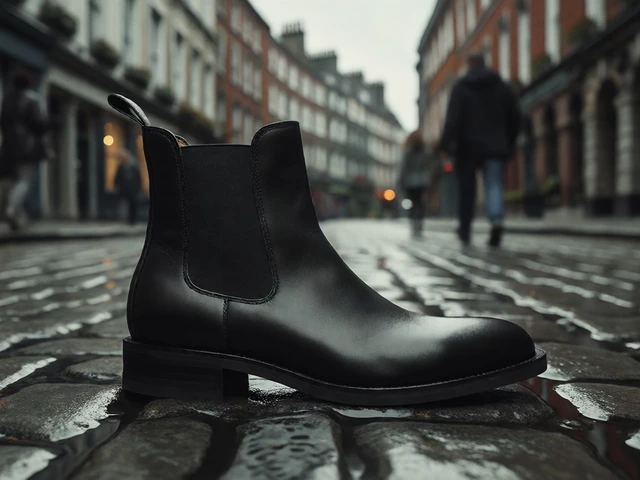
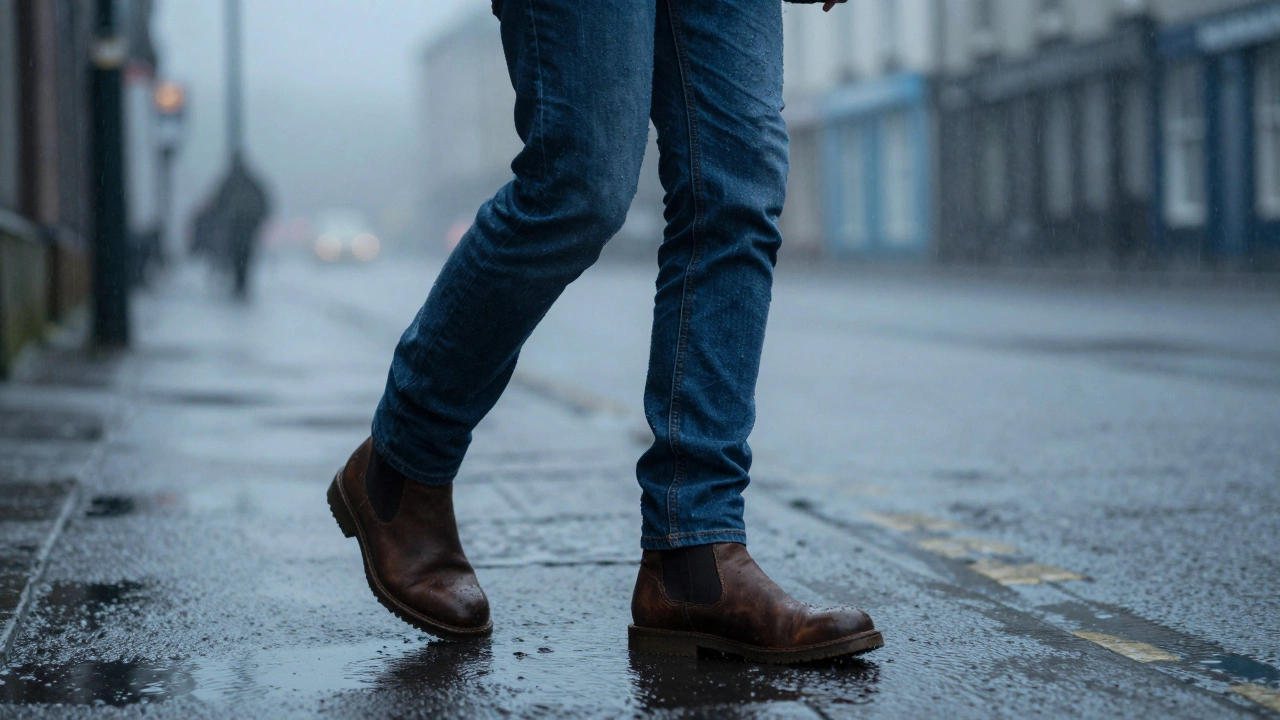
Quick Summary: Look for high-ounce raw denim for durability, sustainable brands for longevity, and specific cuts that pair well with Irish footwear like Chelsea boots or chunky trainers.
The Raw Denim Obsession and Heritage Quality
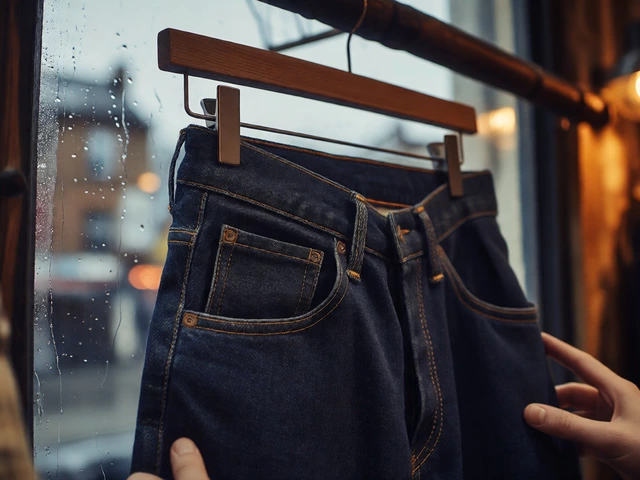
If you are tired of jeans that lose their shape after three washes, you need to look into Raw Denim is unwashed and untreated denim that has not been through a factory distressing process. It is essentially a blank canvas that molds to your body over time. For someone living in a place like Cork or Limerick, where you might be walking through damp streets, the stiffness of raw denim actually provides a better barrier against the elements than thin, pre-distressed fabric.
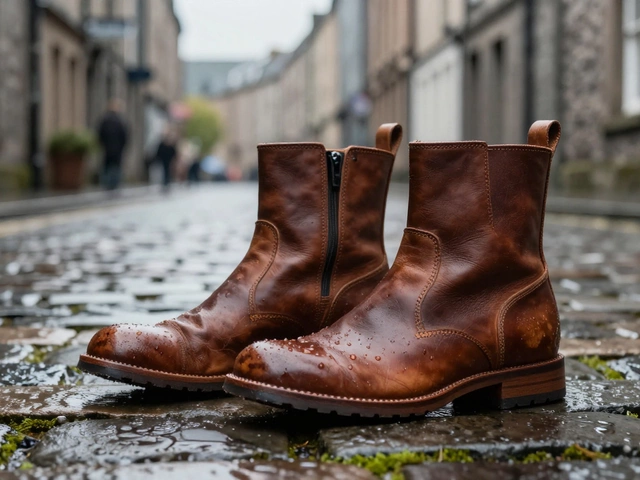
The real magic happens when you stop buying 'fast fashion' and start looking at heritage brands. Brands like Levi's, specifically their 501 original fit, remain a gold standard because they use a heavy-duty cotton weave that doesn't give up easily. In Ireland, we tend to prefer a slightly looser fit around the calves to accommodate thicker socks and winter boots. If you go too slim, you'll find your legs freezing the moment you step outside in January.
| Denim Weight (oz) | Best Season | Durability Level | Ideal Use Case |
|---|---|---|---|
| 10oz - 12oz (Light) | Summer/Spring | Moderate | City walks in Dublin / Casual office |
| 13oz - 15oz (Mid) | All-year | High | Daily wear, commute, general activity |
| 16oz+ (Heavy) | Winter/Autumn | Extreme | Outdoor work, rural living, hiking |
Sustainable Choices for the Conscious Irish Shopper
There is a growing movement across the country to move away from disposable clothing. Many people in the Irish market are now turning to Sustainable Denim, which focuses on reducing water waste and using organic cotton. When you shop at boutiques in areas like Drury Street in Dublin or the independent shops in Galway, you'll notice a shift toward brands that offer lifetime repair services.
Why does this matter here? Because we value things that last. Whether it's a wool sweater from Aran Islands or a sturdy pair of trousers, the Irish mentality is shifting back toward "buy once, buy right." Look for jeans made from Organic Cotton, which is softer on the skin and avoids the harsh chemicals that often make cheap jeans feel scratchy. If you're looking for a brand that balances style with ethics, check for certifications like GOTS (Global Organic Textile Standard) on the tag.
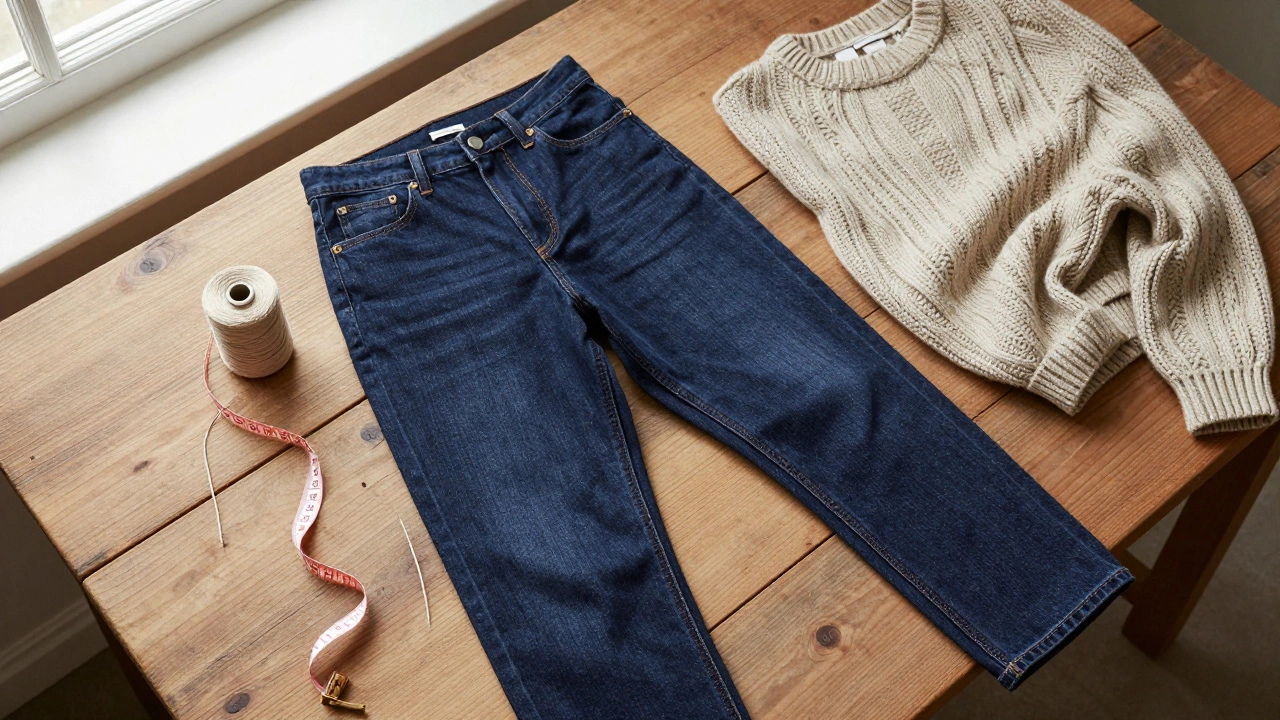
Fitting the Cut to the Irish Landscape
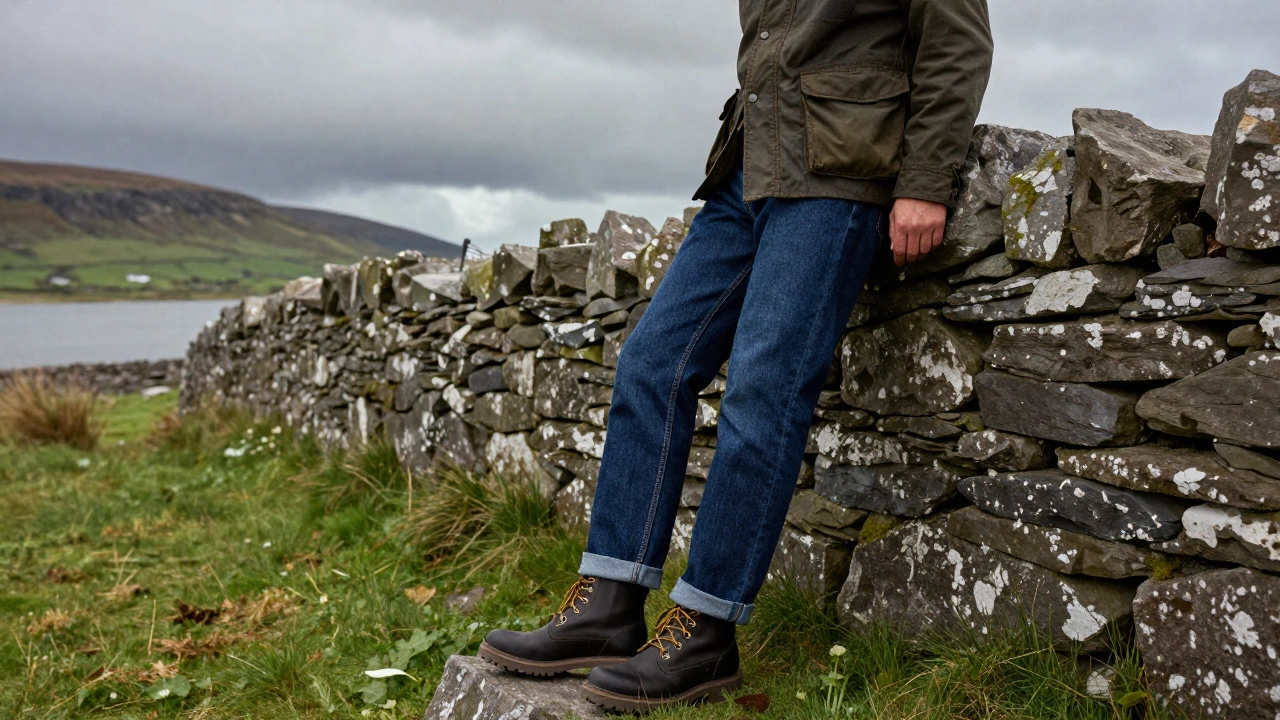
The "best" jeans are the ones that don't make you look like you're wearing a costume. In Ireland, the style is generally understated. The Straight Leg cut is practically the national uniform for a reason: it works with everything. You can wear them with a waxed jacket for a trip to the Ring of Kerry or pair them with a crisp shirt for a night out at a fancy spot in Kinsale.
On the other hand, Skinny Jeans have lost their grip on the local scene, largely because they are impractical for our weather. Trying to pull a pair of tight skinny jeans over a pair of warm thermal leggings in the middle of February is a struggle no one should endure. If you prefer a slimmer silhouette, go for a Tapered Fit. This gives you the sleek look of a slim jean but provides enough room in the thigh to breathe and move.
Where to Shop and How to Maintain Your Denim
While the big malls in Liffey Valley or Dundrum are convenient, some of the best denim experiences in Ireland are found in smaller, curated shops. These stores often stock Japanese denim-which is widely considered the best in the world due to the shuttle looms used to weave the fabric. If you find a pair of Selvedge Denim, you've hit the jackpot. Selvedge refers to the self-finished edge of the fabric, which prevents the seam from unraveling. It's a mark of quality that means your jeans won't fall apart at the inner thigh after six months of walking.
Maintaining your jeans in a humid climate like ours requires a bit of strategy. One of the biggest mistakes people make is washing their jeans too often. In Ireland, where we might get a bit of mud on our hems, the temptation is to throw them in the machine every week. Instead, try spot cleaning with a damp cloth. If you must wash them, turn them inside out and use cold water. Avoid the dryer at all costs; the high heat destroys the elastane in stretch jeans and shrinks raw denim unpredictably. Hanging them on a line in the fresh Irish air is the best way to keep the fibers strong.
Common Pitfalls When Buying New Jeans
Don't be fooled by "pre-distressed" jeans with holes already in them. Not only does this weaken the fabric, but it's often a sign of lower-quality denim that has been chemically treated to look old. If you want that worn-in look, put in the work yourself. The fades you get from actually living your life-sitting in a café, walking the dog in the rain, or traveling across the county-are far more authentic than anything a machine can do in a factory.
Another trap is ignoring the "rise." In a country where we spend a lot of time layering clothes, a mid-to-high rise is generally more comfortable. It keeps the wind from blowing up your back and ensures that your jumpers stay tucked in or sit naturally over the waistband. Always check the fabric composition: a 98% cotton and 2% elastane mix is usually the sweet spot for comfort without sacrificing that classic denim feel.
How often should I wash my jeans in the Irish climate?
Given the dampness of the weather, you might feel the need to wash them more, but for raw or heavy denim, every 3-6 months is usually enough. If they smell or are visibly dirty, a cold wash is best. Avoid hot water and dryers to prevent shrinking and fabric degradation.
What is the difference between Raw and Washed denim?
Raw denim is fabric that hasn't been washed or distressed after the dyeing process. It's stiffer, darker, and molds to your specific body shape over time. Washed denim has been treated by the manufacturer to be softer and have a predetermined color and fit from day one.
Are expensive Japanese jeans actually worth it for someone in Ireland?
Yes, if you value longevity. Japanese denim is often woven on old-school looms, resulting in a denser, more durable fabric. In a climate where we wear our clothes hard, spending more upfront on a pair of selvedge jeans often saves money in the long run because they don't need replacing every year.
Which fit is best for pairing with chunky boots?
A Straight Leg or a Relaxed Taper is best. These cuts allow the jean to sit naturally over the top of a boot without bunching up or creating an awkward "balloon" effect around the ankle, which is a common issue with skinny fits.
Where can I find sustainable denim brands in Ireland?
Look for independent boutiques in Dublin 2, the Creative Quarter, or independent stores in Galway city. Many now stock European brands that use organic cotton and recycled water processes, as well as offering in-house repair services to extend the life of your jeans.
Next Steps for Your Denim Journey
If you're new to the world of high-quality denim, start small. Don't jump straight into 21oz heavy-duty raw denim-it can feel like wearing cardboard for the first few weeks. Start with a mid-weight (13oz) selvedge pair in a straight cut. This gives you the durability you need for the Irish weather without the extreme break-in period.
Next, find a local tailor. Most high-end jeans come with a standard length, but having them hemmed perfectly to sit just above your shoes prevents the fabric from dragging on wet pavements, which is the fastest way to ruin a great pair of jeans. Once you've mastered the fit, experiment with different washes-deep indigo is timeless and professional, while a mid-blue is perfect for those relaxed weekend trips to the coast.