Suit Shopping Tips for Ireland: What Works in Rain, Wind, and Real Life
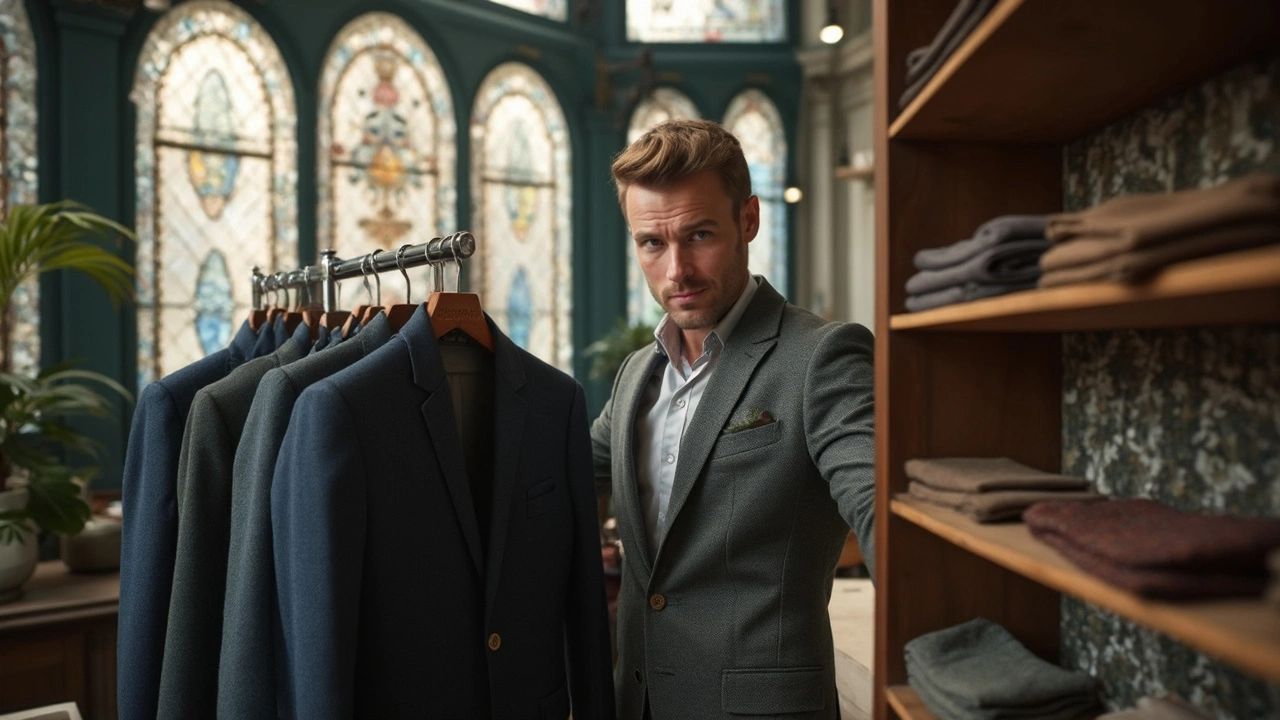
When you’re shopping for a suit, a tailored outfit worn for work, formal events, or professional settings. Also known as business attire, it needs to do more than look polished—it needs to hold up in Ireland’s damp, unpredictable climate. A suit that works in London or New York might fall apart here after one rainy commute. You don’t need a tuxedo for a Dublin meeting. You need something that won’t soak through, cling to your legs, or lose its shape by lunchtime.
Irish professionals don’t wear lightweight summer suits. They wear wool, a natural fiber that breathes, resists wrinkles, and retains warmth even when damp. Think medium-weight worsted wool—11 to 13 ounces. It’s not too heavy for spring, not too thin for winter. Linen? Forget it. Cotton? Only if it’s blended with synthetic fibers that repel moisture. The best suits here have a slight stretch, a bit of water resistance, and a cut that allows room for layers underneath. A single-breasted, two-button jacket with a slightly longer hem gives you coverage when you’re walking from the bus to the office in a downpour.
And don’t skip the dress shoes, formal footwear designed for professional settings, often made of leather with a polished finish. In Ireland, they’re not just for looks—they’re your first line of defense against wet pavement. Go for full-grain leather with a rubber sole. No patent leather. No loafers without socks. You need grip, waterproofing, and enough room for thick wool socks. Brands like Clarks and Herring & Sons are popular not because they’re fancy, but because they’ve been tested on Dublin’s cobblestones and Galway’s puddles for decades. A good pair lasts five years, not five months.
Fit matters more than brand. A suit that’s too tight won’t let you layer a sweater underneath. Too loose, and you look sloppy in a windstorm. Tailoring is non-negotiable. Most Irish men and women who wear suits regularly get them adjusted locally—Dublin, Cork, and Limerick all have skilled tailors who know how to handle the way people move here: hunched against the rain, reaching for bus poles, sitting on damp benches. A shoulder that’s too narrow? It’ll pull when you carry a bag. Pants that are too short? They’ll drag in every puddle.
Colors? Stick to navy, charcoal, or deep green. Black is fine for funerals and formal galas, but it shows every water mark. Light gray? Only if you’re prepared to clean it every week. The most practical suits in Ireland look like they belong in a pub after work, not a runway. And when you’re done shopping, remember: the suit doesn’t make the person. But a suit that doesn’t fight the weather? That makes your day easier.
Below, you’ll find real advice from Irish shoppers who’ve been there—what fabrics actually survive the season, which cuts hide a bit of extra weight after a long winter, and where to find the best deals without sacrificing durability. No fluff. No trends. Just what works when the rain won’t stop.
18
What’s a Good Price to Spend on a Suit in Ireland?
Wondering how much you should pay for a men’s suit in Ireland? This article breaks down typical prices, where to spend or save, and what features you actually need. Get tips for Irish suit shopping, local brands to know, and advice on getting the best value for your money. Whether you’re buying your first suit or upgrading your wardrobe, these insights will help you make a smarter purchase. We’ll look at cultural expectations, best places to shop, and what to avoid so you don’t waste a cent.
Latest Posts


Popular Posts
-
 What Is the Dress Code for Evening Wear in Ireland?
-
 Which is the No 1 brand of jeans in the world? The Irish perspective on denim dominance
-
 Are Skinny Jeans and Tall Boots Still in Style in Ireland?
-
 What Do Brits Say When They Toast? An Irish Perspective on Drinking Culture
-
 How to Dress and Look Classy in Ireland: Summer Dress Guide for the Irish Climate