Podiatrist Advice for Irish Feet: Smart Footwear Tips for Rain, Cobbles, and Cold
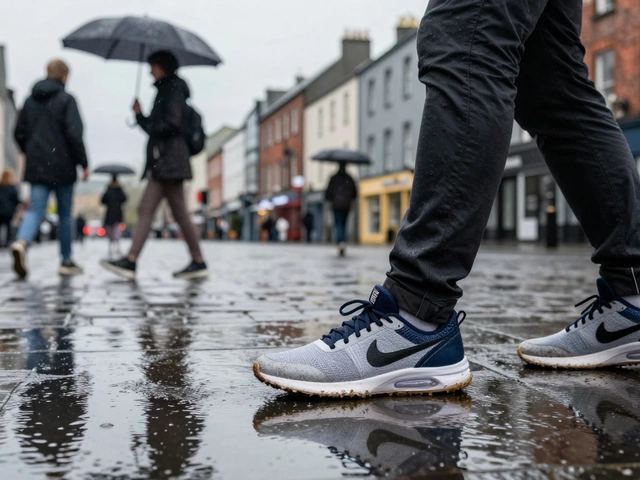
When you live in Ireland, your feet don’t just walk—they endure. Podiatrist advice, professional guidance on foot health and footwear tailored to daily physical demands. Also known as foot care recommendations, it’s not about fancy shoes—it’s about keeping your feet functional, pain-free, and ready for the next downpour. Most people think podiatrists only treat injuries or diabetes, but in Ireland, they’re the quiet heroes behind comfortable walks, dry toes, and pain-free commutes. The real issue isn’t style—it’s survival. Wet pavements, uneven cobblestones, damp interiors, and 8 months of rain mean your shoes are your first line of defense. And if they’re wrong, your knees, hips, and back will pay for it.
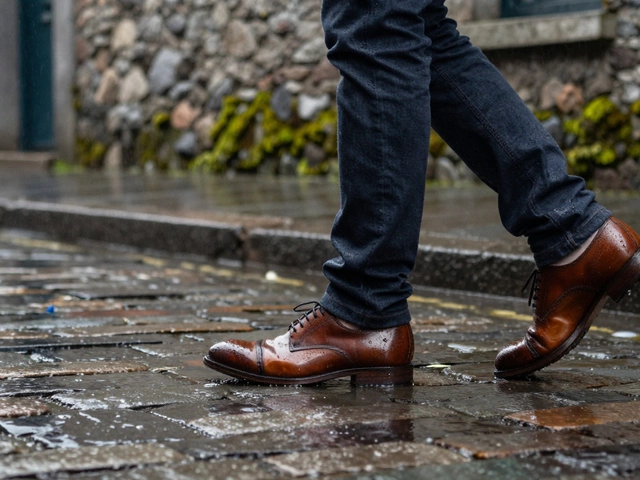
Good footwear for damp climates, shoes designed to manage moisture, provide grip, and support feet in consistently wet environments isn’t about waterproof membranes alone. It’s about how the sole bends, how the heel supports, and whether the inside dries fast enough to stop fungus from taking over. Irish podiatrists see more cases of plantar fasciitis and bunions linked to poor footwear than you’d expect. Why? Because people buy shoes based on looks, not local conditions. A pair of trendy flats might look great in a Dublin café, but they’ll wreck your arches after three rainy walks to the bus stop. Meanwhile, a sturdy, slightly heavier shoe with a flexible sole and breathable lining—like the ones locals swear by—can last years and keep your feet happy. And yes, that means skipping the flimsy sandals in May, even if the sun’s out.
Then there’s the Irish foot health, the state of foot condition shaped by climate, footwear habits, and lifestyle in Ireland. It’s not just about shoes. It’s about socks. It’s about drying your feet after walking through puddles. It’s about not wearing the same pair of trainers every day. Podiatrists in Cork and Galway tell patients to rotate footwear—because damp feet in the same shoes for 7 days straight is a recipe for blisters, athlete’s foot, and worse. They also warn against going barefoot indoors. Those cold, tiled floors in old Irish homes? They’re not just chilly—they’re hard on your arches. Slippers with grip, not fluffy socks, are the real fix. And if you’re wondering why your heels hurt every morning, it’s probably not aging—it’s your shoes from yesterday.
You don’t need expensive brands to get good foot support, but you do need to know what to look for: a firm heel counter, a sole that doesn’t twist like a wet towel, and enough room for your toes to wiggle. No pinching. No slipping. No ‘it’ll stretch out’ lies. The best podiatrist advice isn’t a secret—it’s simple, practical, and ignored too often. And the posts below? They’re full of real stories from Irish people who learned the hard way. From why UGGs work without socks to which jeans actually let your feet breathe, you’ll find exactly what works here. No fluff. No trends. Just what keeps Irish feet walking.
20
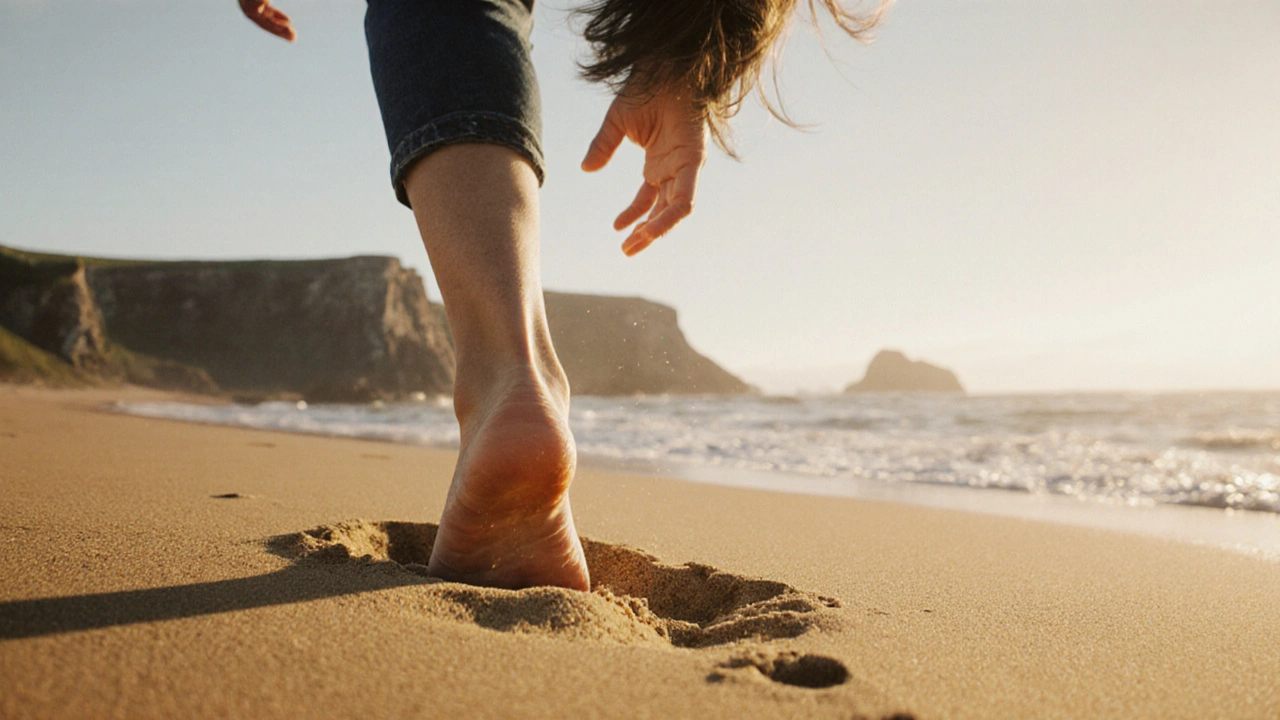
Do Podiatrists Recommend Walking Barefoot? Irish Insights
Discover if Irish podiatrists recommend walking barefoot, how Ireland's weather and terrain affect foot health, and get practical tips for safe barefoot walking and choosing proper work shoes.