Footwear Materials: What Makes Shoes Last in Ireland's Wet Climate
When it comes to footwear materials, the substances used to build shoes that survive Ireland’s constant rain, muddy paths, and cold floors. Also known as shoe construction fabrics, it’s not about how shiny or trendy they look—it’s about whether they keep your feet dry, warm, and safe for months, not just weeks. In Ireland, a pair of shoes isn’t a fashion statement. It’s a tool. And like any good tool, it needs the right stuff inside and out.
Take leather, the gold standard for Irish footwear, especially full-grain and vegetable-tanned varieties that breathe yet repel water. Also known as genuine leather, it’s the reason heritage brands like Herring & Sons still thrive here—because leather molds to your foot, lasts decades if cared for, and doesn’t crack when it’s wet every day. Cheap synthetics? They swell up, smell bad, and fall apart by March. Locals know this. That’s why you’ll see people in Galway or Cork carefully wiping down their leather boots after a walk in the rain—not because they’re fancy, but because they’ve learned the hard way that material matters.
Then there’s linen, a lightweight, natural fiber that’s surprisingly common in Irish summer footwear linings. Also known as breathable fabric, it’s not used for the outer shell—it’s tucked inside slippers and sandals to pull moisture away from the skin. In a country where summer humidity hangs like a wet blanket, this tiny detail keeps feet from sweating through socks by noon. And don’t forget wool, the unsung hero of Irish slippers. Also known as natural insulation, it’s warm when wet, dries fast, and doesn’t stink like synthetic fleece. That’s why Clarks and other trusted brands use it in their best-selling indoor shoes—because wool doesn’t quit when the rain won’t. Even UGG-style slippers in Ireland aren’t just fluffy—they’re lined with wool or sheepskin, not cheap polyester, because the damp gets into everything here.
It’s not just about what the shoe is made of—it’s how it’s built. Stitched soles? Yes. Glued on? No. Thick rubber outsoles with deep treads? Absolutely. Irish footwear isn’t designed for runways. It’s designed for cobblestones, puddles, and kitchen floors that never fully dry. You’ll find this in every post below: people talking about how their shoes held up after a winter, or why they switched from plastic soles to leather ones after their last pair turned to mush by January.
What you’ll see here isn’t a list of brands or trends. It’s a practical guide to what actually works when your shoes are your first line of defense against Ireland’s weather. From the tanning process behind real leather to why Japanese zori are creeping into Irish homes, these posts cut through the noise. No fluff. Just facts from people who’ve walked the same wet streets for years—and know exactly what their feet need.
28
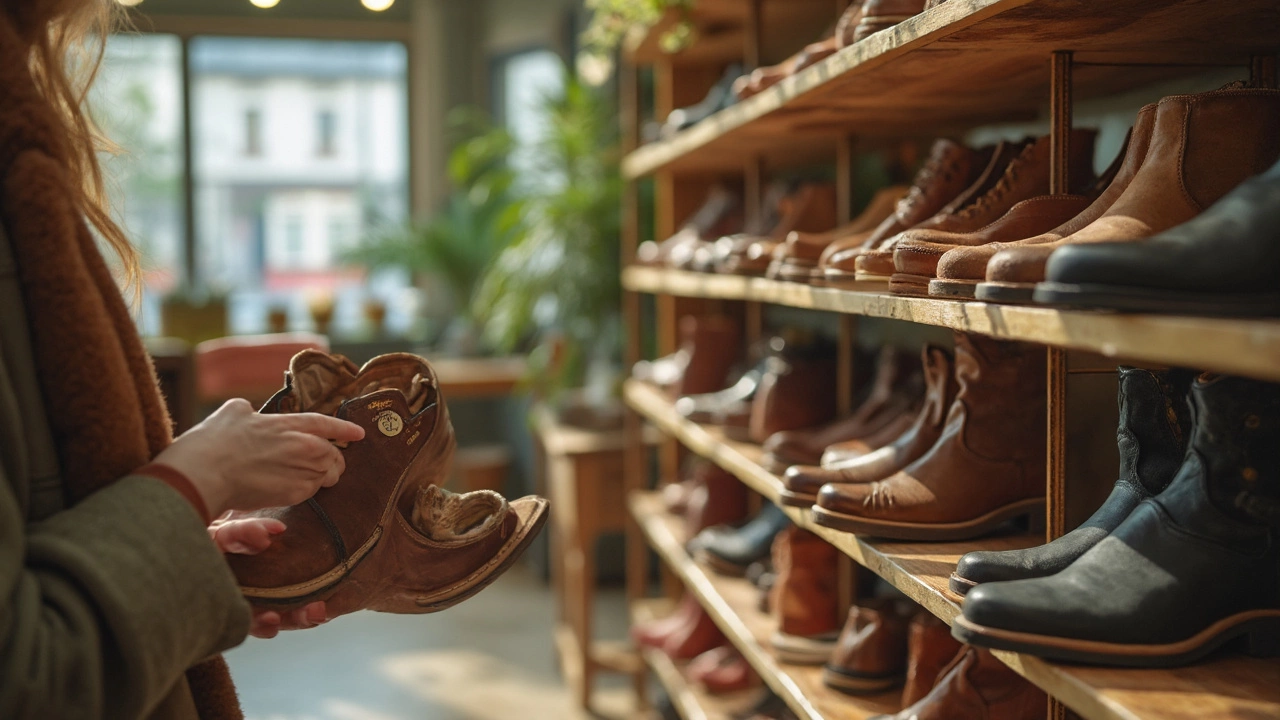
Are Hush Puppies Made from Pig Leather in Ireland?
Irish shoppers often wonder if Hush Puppies shoes are made from pig leather, especially with personal or cultural preferences in mind. This article digs into the materials actually used in Hush Puppies found in Ireland, offers tips for checking shoe materials, and points out local shopping advice. It also looks at why the type of leather matters and where to get more info if you're unsure. By the end, you’ll know exactly what goes into your shoes and how to choose the right pair for your needs.
Latest Posts



Popular Posts
-
 Why Is Crocs Shutting Down in Ireland?
-
 Are Skinny Jeans and Tall Boots Still in Style in Ireland?
-
 Which is the No 1 brand of jeans in the world? The Irish perspective on denim dominance
-
 How to Dress and Look Classy in Ireland: Summer Dress Guide for the Irish Climate
-
 What Is the Dress Code for Evening Wear in Ireland?